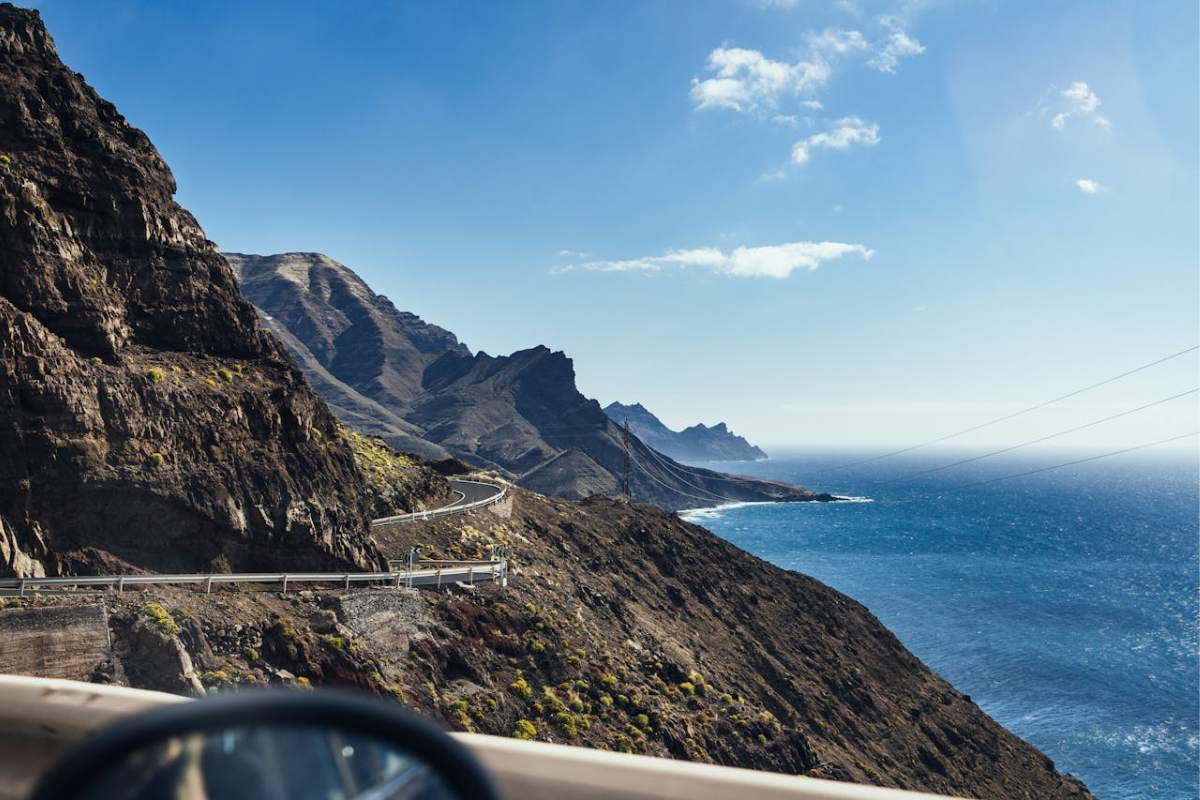
Picture this: you’re loading up your car with camping gear, checking your route one last time, and feeling that familiar buzz of excitement about hitting the open road. However, there’s also that nagging worry about whether your bank account can handle another adventure. Sound familiar?
We’ve all been there. Road trip camping is brilliant fun, yet costs can spiral surprisingly fast when factoring in campsite fees, fuel, food, and unexpected expenses along the way. Here’s some good news: stretching your budget doesn’t mean sacrificing memorable experiences or comfort.
Let’s walk through practical strategies to plan camping road trips that won’t drain your wallet while still delivering those magical outdoor moments we all crave.
Start With Smart Campsite Selection
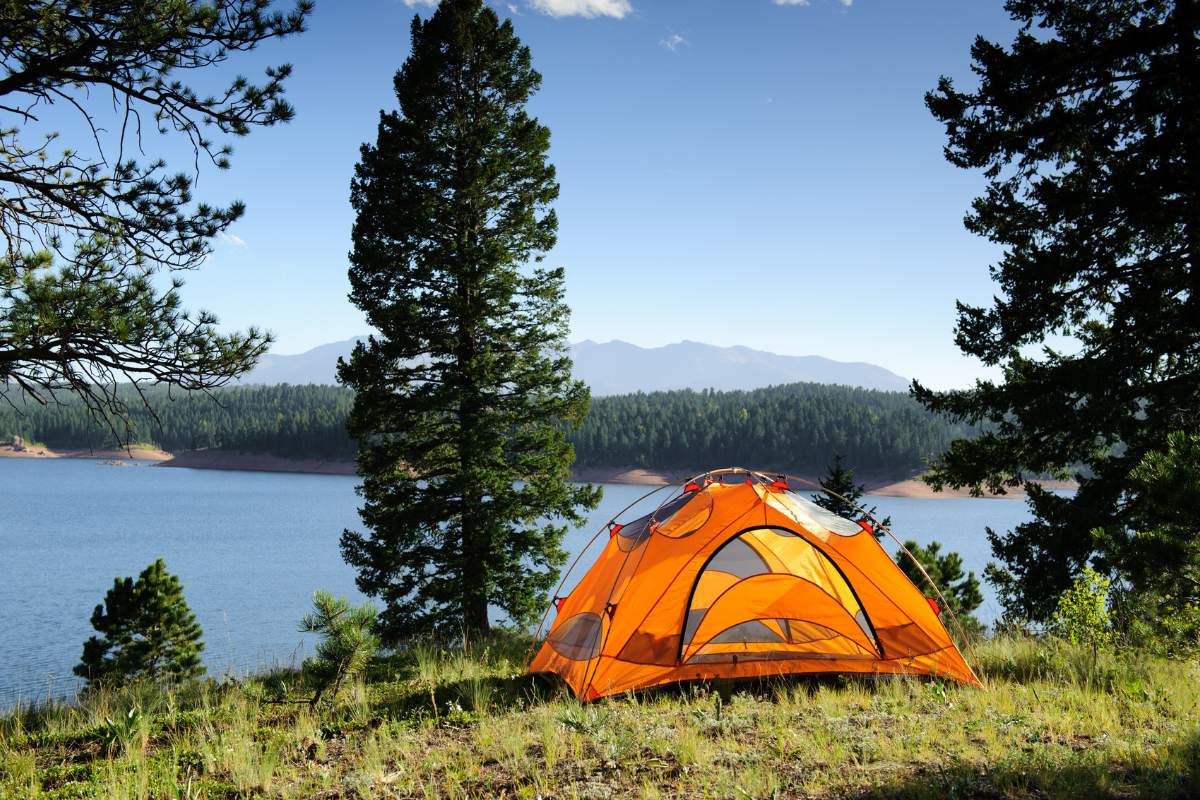
Finding affordable campsites makes an enormous difference to your overall trip budget. Rather than simply booking whatever pops up first in search results, take time to research options thoroughly.
Free and Low-Cost Camping Options
Wild camping remains one of Britain’s best-kept secrets for budget-conscious adventurers. Scotland offers right-to-roam legislation, allowing you to pitch tents on most unenclosed land. England and Wales have more restrictions, but carefully chosen spots on public land can still work brilliantly.
Before heading out wild camping, invest time understanding local regulations and Leave No Trace principles. Respect for nature and landowners ensures these opportunities remain available for everyone.
Budget Campsites vs Premium Sites
Not all campsites carry hefty price tags. Many small, family-run sites charge significantly less than commercial operations whilst offering fantastic locations and facilities. Look beyond glossy marketing materials to find hidden gems.
Basic sites with minimal facilities often cost £10-15 per night compared to £30-50 at busier commercial campsites. Sure, you might forego heated shower blocks or entertainment facilities, but honestly? Those extras rarely make or break camping trips.
Seasonal Pricing Advantages
Timing your trip strategically can save substantial amounts. Campsites typically charge premium rates during school holidays and summer weekends. Travel mid-week or during shoulder seasons (spring and autumn), and you’ll often find sites offering discounts of 30-50%.
Late autumn and early spring camping delivers beautiful, crisp conditions with far fewer crowds. Pack appropriate gear and embrace cooler weather for significant savings.

Plan Your Route Efficiently
Fuel costs represent a major expense on any road trip. Careful route planning helps minimize unnecessary mileage whilst maximizing adventure opportunities.
Cluster Your Destinations
Rather than zigzagging across regions, plan routes that flow naturally from one location to another. Clustering campsites and attractions geographically reduces driving distances significantly.
For instance, exploring Cornwall’s coast? Base yourself at two or three strategically located sites rather than moving daily. This approach saves fuel, reduces setup/packup time, and lets you explore areas more thoroughly.
Fuel-Saving Driving Habits
Simple driving adjustments make noticeable differences to fuel consumption:
- Maintain steady speeds rather than constant acceleration and braking
- Remove roof boxes when not needed (they create drag)
- Check tire pressures before long journeys
- Avoid idling unnecessarily
- Combine short trips rather than making multiple journeys
These habits benefit both your wallet and environment.
Consider Vehicle Financing Options
Perhaps you’re eyeing road trip adventures but your current vehicle isn’t quite up to the task. Whether you need something more reliable, spacious for gear, or fuel-efficient for long distances, upgrading doesn’t have to derail your camping dreams.
Exploring financing solutions tailored to your circumstances can make vehicle ownership achievable, even when facing financial challenges. Options exist for people in various situations, so if transport worries are holding back your camping plans, it’s worth investigating what’s available, like car finance for someone with poor credit from Azora, as options like this can get you on the road quicker with reliability.
Budget-Friendly Food Planning
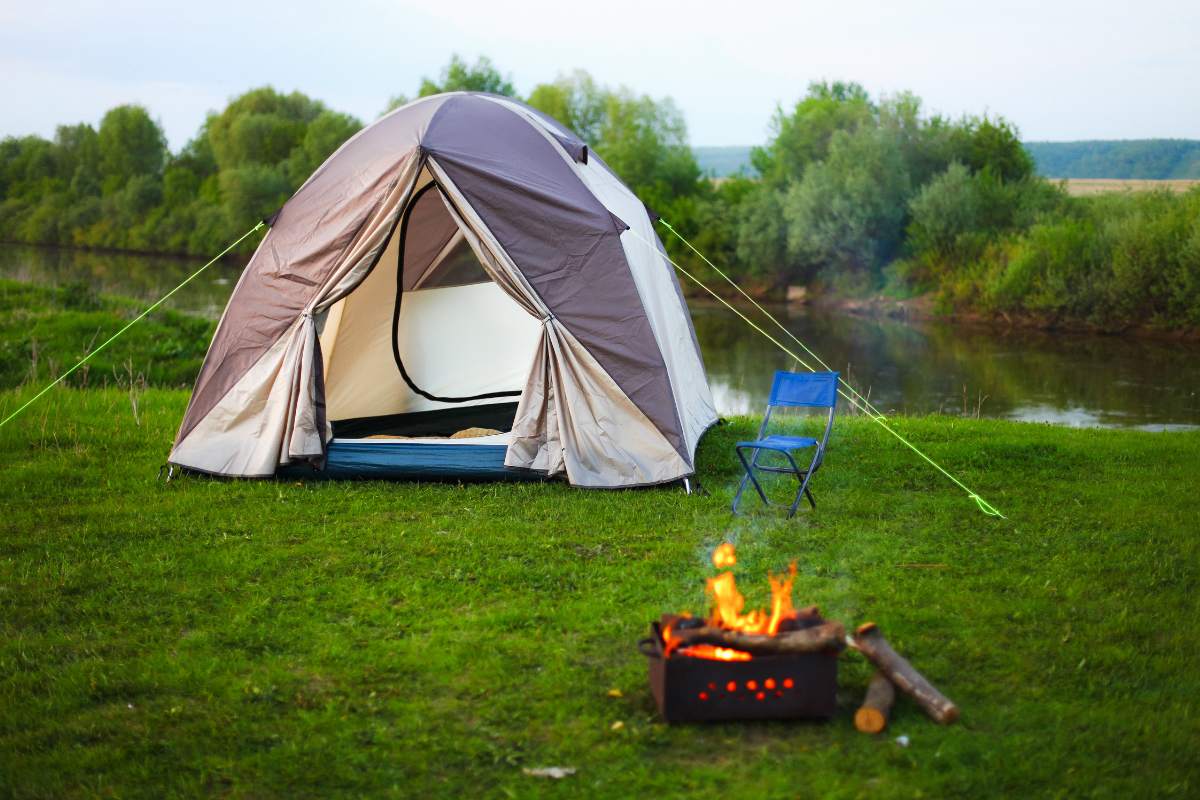
Campsite meals needn’t be expensive. Smart food planning transforms dining into an affordable, enjoyable part of your adventure.
Meal Prep Before Departure
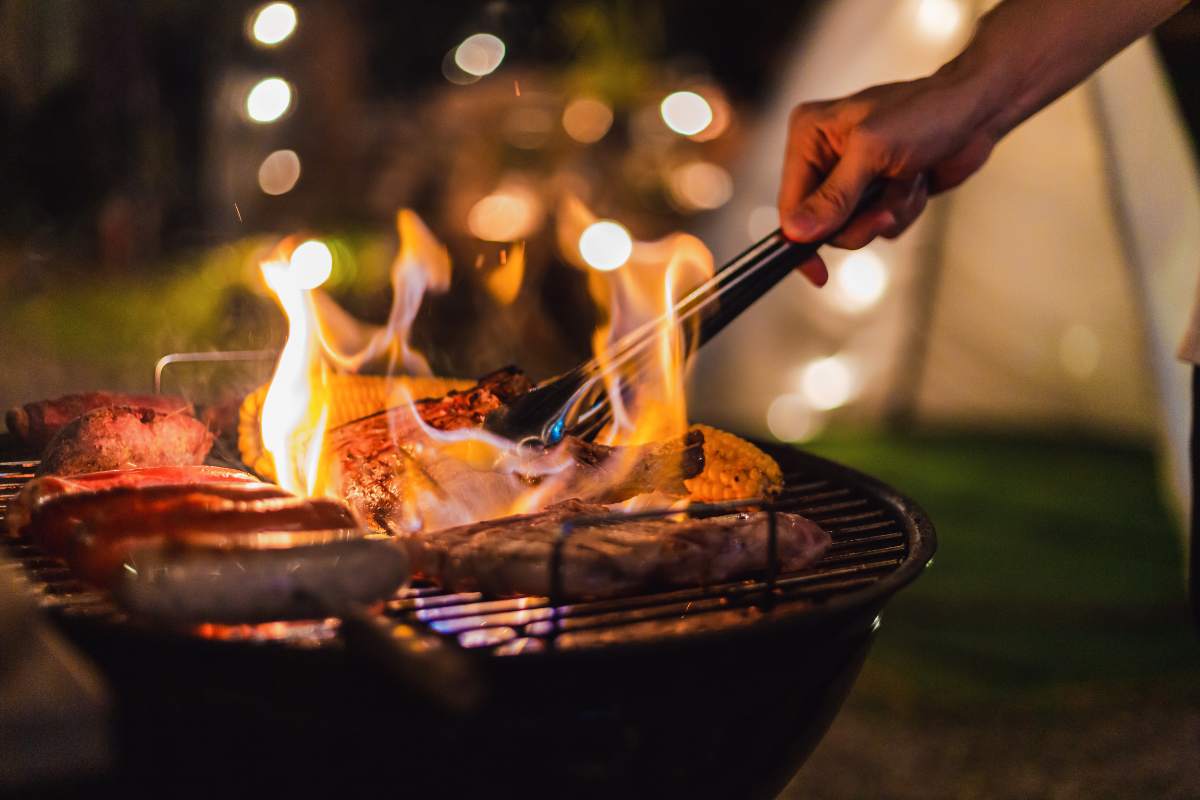
Preparing meals at home before leaving offers tremendous savings compared to purchasing everything at campsites or restaurants. Pre-chop vegetables, marinate proteins, and portion ingredients into containers.
Frozen meals in insulated cool boxes stay fresh for days, gradually thawing to provide ready-to-cook options. This strategy beats expensive last-minute supermarket runs in unfamiliar towns.
Stock Up on Camping Staples
Creating a camping pantry with long-lasting ingredients means avoiding duplicate purchases trip after trip. Keep sealed containers with:
- Rice, pasta, and dried noodles
- Tinned beans, soups, and vegetables
- Coffee, tea, and hot chocolate
- Dried herbs and spices
- Oil and condiments
Check out comprehensive guidance in this best food for camping guide covering storage tips and meal ideas.
Shop Local Markets
Visiting local farmers’ markets near campsites provides fresh, affordable produce whilst supporting regional communities. Prices often undercut supermarkets significantly, plus you’ll discover regional specialties.
Markets also offer opportunities to chat with locals who might share insider knowledge about free attractions, hidden swimming spots, or lesser-known walking trails.
Essential Gear Investment Strategy
Quality camping equipment represents upfront costs, yet smart purchasing decisions pay dividends over years of adventures.
Buy Once, Buy Right
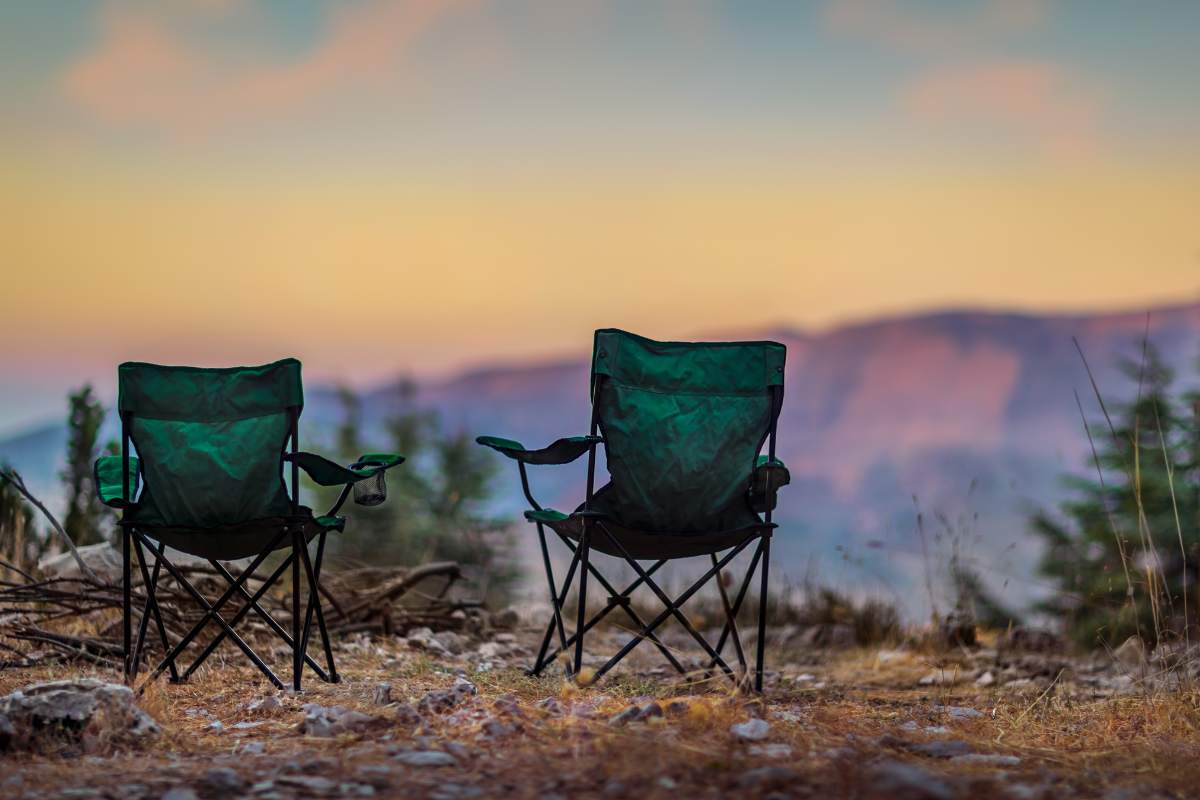
Cheap gear seems tempting initially but rarely survives multiple trips. Soggy tents, broken camp chairs, and failed stoves create miserable experiences whilst requiring expensive replacements.
Research thoroughly before purchasing major items. Read reviews, watch demonstration videos, and if possible, examine products in person. Well-designed equipment lasts decades with proper care.
Prioritize Multi-Purpose Items
Equipment serving multiple functions maximizes value whilst reducing what you need to carry. Look for:
- Camping kettles doubling as cooking pots
- Tables with adjustable heights
- Chairs converting to sleeping cots
- Lanterns that charge phones
Less gear means lower initial investment and easier packing.
Second-Hand and Off-Season Sales
Camping equipment holds value exceptionally well on second-hand markets. Facebook Marketplace, eBay, and specialized outdoor forums offer excellent deals on barely-used gear.
End-of-season sales at outdoor retailers provide another opportunity. Autumn brings deep discounts on summer camping equipment, whilst spring sales clear winter gear inventory.
Free and Low-Cost Activities
Entertainment needn’t cost anything when surrounded by natural beauty. Planning free activities ensures days stay full without wallets emptying.
Natural Attractions
Britain offers countless free natural wonders:
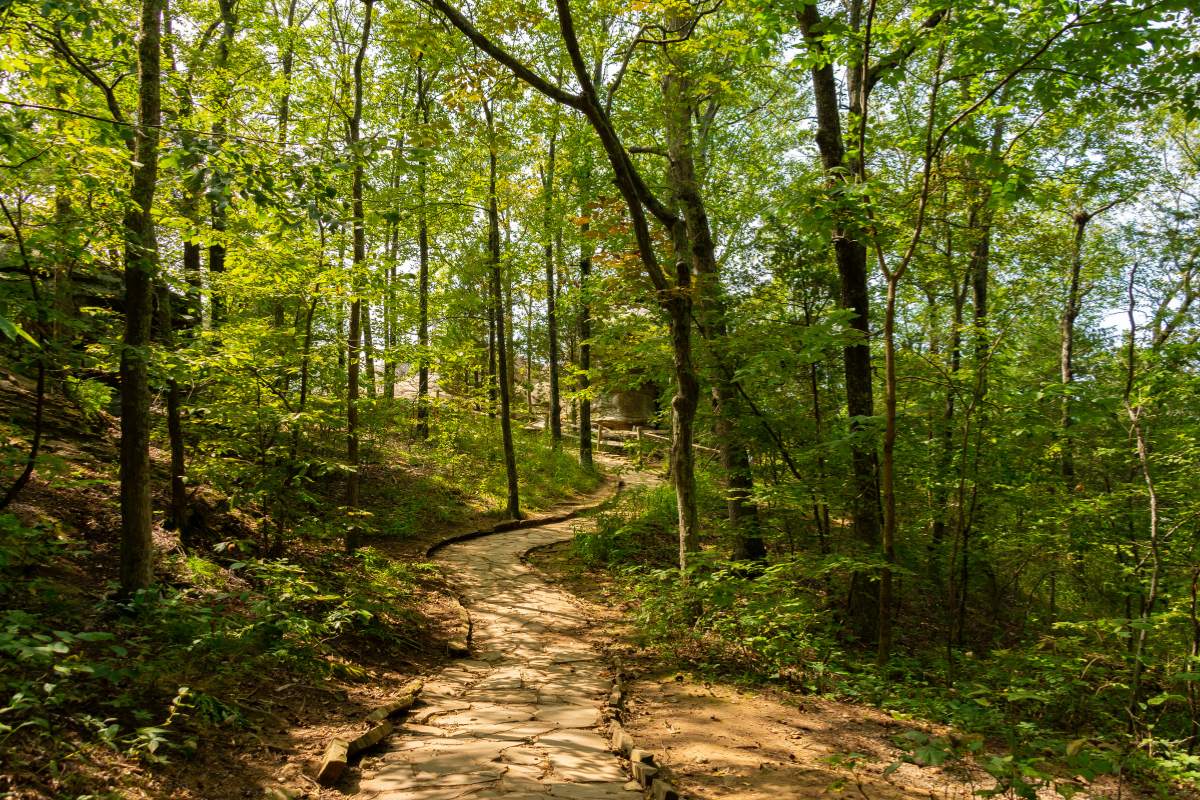
- Coastal walks with stunning sea views
- Forest trails perfect for mountain biking
- Wild swimming spots in rivers and lakes
- Wildlife watching opportunities
- Stargazing locations far from light pollution
Pack appropriate gear and these activities cost nothing beyond travel expenses.
Heritage Sites and National Trust
Many historical sites offer free entry or reduced prices for families. National Trust memberships pay for themselves quickly when visiting multiple properties, plus members access free parking at many locations.
English Heritage and Cadw (Wales) provide similar benefits. Consider annual passes if planning multiple trips throughout the year.
Community Events and Festivals
Local events frequently coincide with camping trips. Village fairs, agricultural shows, and music festivals often charge minimal entry or remain completely free.
Research regional event calendars when planning routes. These gatherings provide authentic cultural experiences whilst stretching entertainment budgets further.
Money-Saving Booking Strategies
How you book makes surprising differences to final costs.
Book Direct When Possible
Third-party booking platforms charge convenience fees that inflate prices. Contacting campsites directly often reveals lower rates plus opportunities to negotiate, especially for longer stays or last-minute bookings.
Many smaller sites prefer direct bookings anyway, as they avoid platform commission fees.
Membership Discounts
Organizations like The Camping and Caravanning Club offer member rates at hundreds of sites nationwide. Annual membership costs typically pay for themselves within two or three trips.
Additional benefits include insurance discounts, equipment offers, and access to temporary holiday sites during peak seasons.
Flexible Dates Equal Better Deals
Flexibility with travel dates opens up bargain opportunities. Midweek bookings almost always cost less than weekends. Bank holiday Mondays through Thursdays offer particular value as sites transition between busy and quiet periods.
Essential Preparation Steps
Thorough preparation prevents expensive emergency purchases or unnecessary spending.
Create Comprehensive Checklists
Forgetting essential items leads to costly campsite shop purchases or rushed supermarket trips. Develop detailed checklists covering everything from tent pegs to first aid supplies.
Download our free camping checklist ensuring nothing gets left behind. Checking items off systematically before departure saves both money and stress.
Weather-Appropriate Packing
British weather changes rapidly, so pack layers suitable for various conditions. Being caught unprepared means buying overpriced clothing at tourist shops.
Waterproof jackets, warm base layers, and sun protection should accompany every trip regardless of forecasts. Versatile clothing adapts to changing conditions without requiring wardrobe expansion.
Vehicle Maintenance Before Departure
Breaking down during road trips creates massive unexpected expenses. Simple pre-trip checks minimize this risk:
- Check oil levels and top up if needed
- Inspect tire condition and pressure
- Test all lights and indicators
- Ensure adequate screen wash and antifreeze
- Verify spare tire accessibility and condition
Spending thirty minutes on basic maintenance potentially saves hundreds in breakdown recovery and repair costs.
Final Thoughts
Budget-friendly camping road trips require planning rather than sacrificing enjoyment. Smart campsite selection, efficient routing, strategic meal planning, and thoughtful gear investment all contribute to affordable adventures.
Remember, camping’s real magic comes from experiences rather than expenditure. Some of our most treasured memories involve free wild camping spots, simple meals cooked over portable stoves, and spontaneous detours to unexpected discoveries.
Start small if you’re new to budget camping. Plan weekend trips close to home, gradually building confidence and equipment collection. Each experience teaches valuable lessons about what works for your circumstances.
Britain’s diverse landscapes offer endless opportunities for outdoor exploration regardless of budget constraints. From Scottish Highlands to Cornish coastlines, affordable camping adventures await those willing to plan thoughtfully and embrace simplicity.
So grab that camping checklist, plot your route, and start looking forward to your next budget-friendly road trip. Those magical outdoor moments are waiting, and they needn’t cost the earth.
Happy camping!
Planning a camping trip? Read these articles next:
- Campervanning in Norway- 7 BEST Campgrounds to Stay At
- 6 Useful Camping Tips for Beginners
- 10 Best Northern Ireland Glamping Spots
Enjoyed this article on finding affordable campsites? Pin it!