Discover expert travel photography tips to capture stunning photos on your next adventure — from mastering light to composition and cultural awareness.
For anyone who loves to travel, capturing new places, people, and environments is one of the most powerful ways to preserve memories and experiences.
The world is far bigger — and more beautiful — than we can ever imagine. Travel photography helps make faraway destinations feel tangible, allowing you to relive your journeys for years to come.
While packing the right gear — including camera lenses, body, tripod, memory cards, and spare batteries — is essential, understanding the core principles of photography is what truly elevates your images from average to unforgettable.
Below are the key travel photography techniques to help you capture stunning shots on your next adventure.
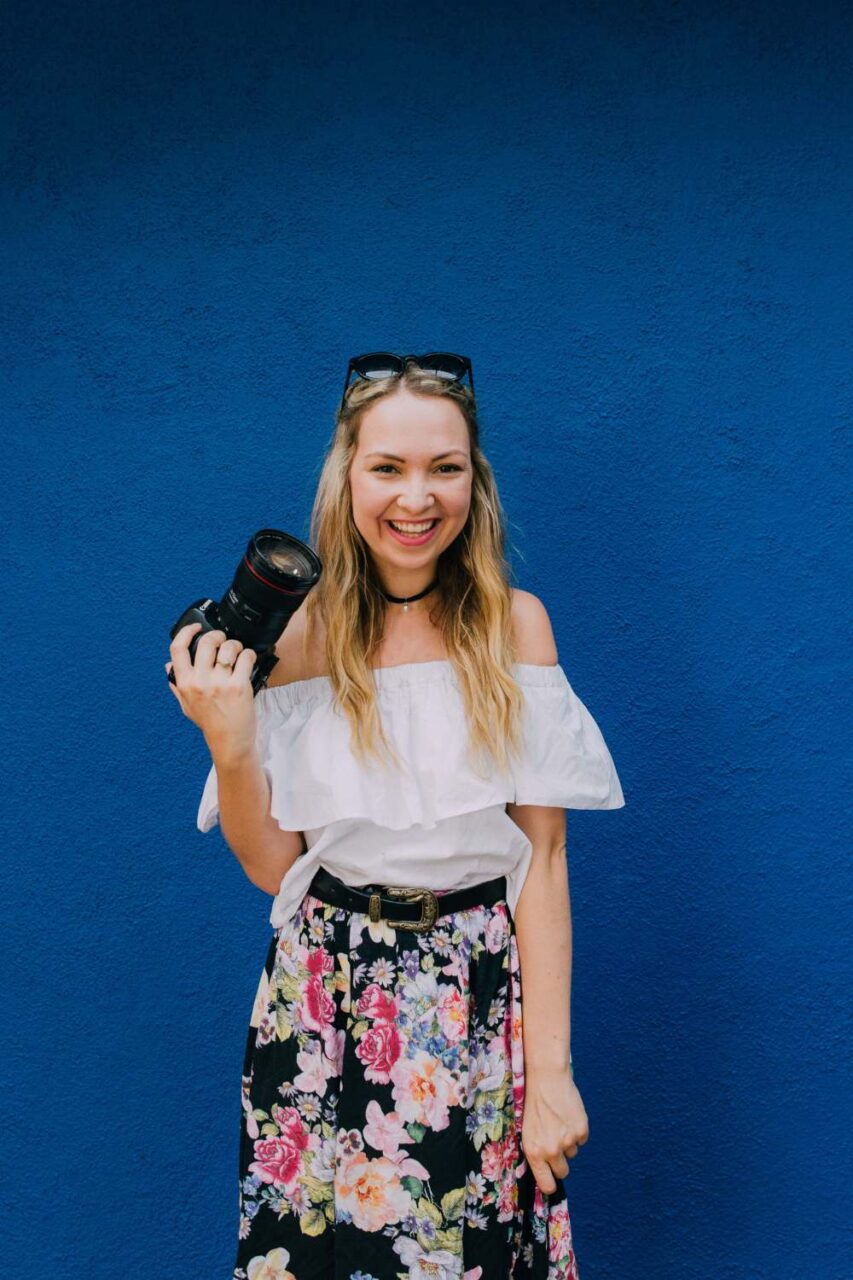
Think About Light First
No matter what type of photography you enjoy, light is the single most important element in any image.
The way light interacts with your subject dramatically impacts mood, colour, depth, and overall image quality. Learning to recognise and use natural light will instantly improve your photos.
Golden Hour
Golden hour occurs during the first hour after sunrise and the last hour before sunset.
This soft, warm light:
- Creates a magical glow
- Adds warmth to skin tones and landscapes
- Produces long shadows for depth and dimension
- Comes from a side angle rather than directly overhead
It’s widely considered the best time of day for travel photography.
Blue Hour
Blue hour happens just before sunrise or just after sunset, when the sky takes on a cool, deep blue tone.
This light is perfect for:
- Cityscapes
- Waterfront scenes
- Architectural photography
- Atmospheric low-light shots
Open Shade
Open shade refers to placing your subject in a shaded area while still facing bright ambient light.
Examples include:
- Under archways
- Beneath trees
- Next to buildings
- Under awnings
This technique is ideal for harsh midday sun, as it:
- Softens facial shadows
- Prevents squinting
- Creates even lighting
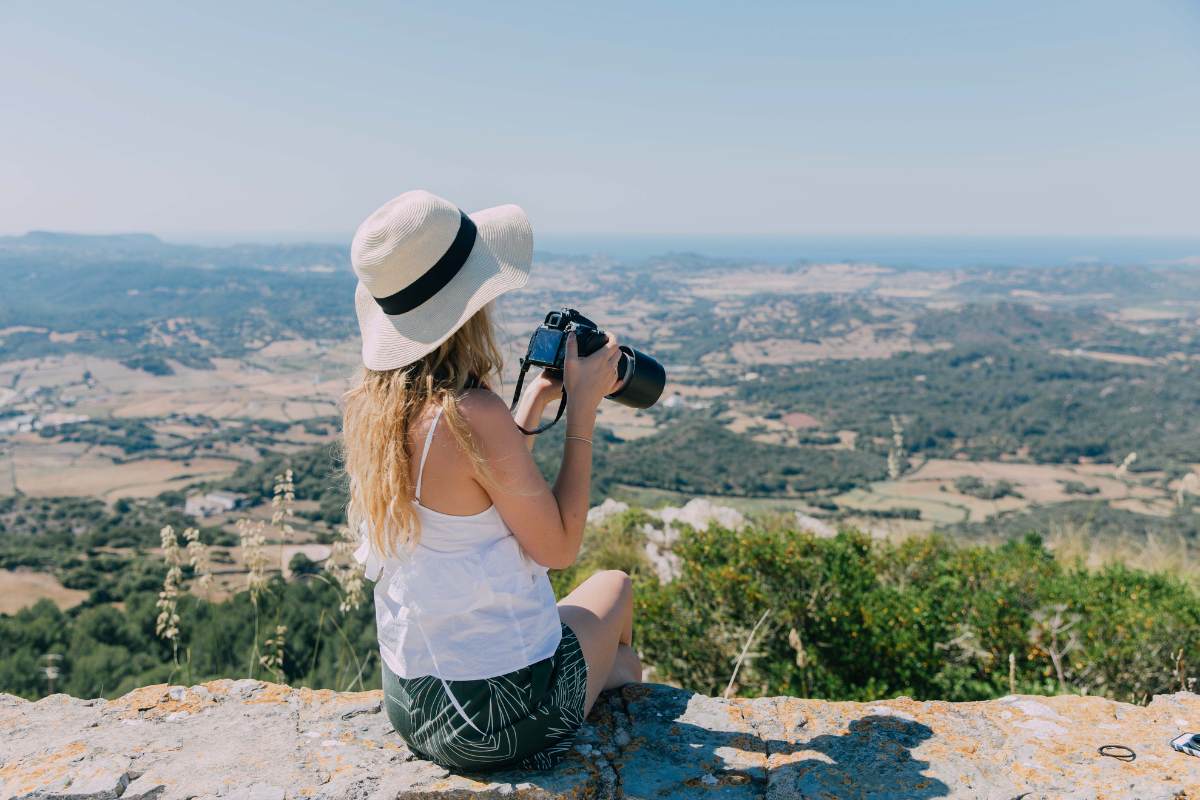
Beware of Distracting Backgrounds
One of the most common travel photography mistakes is overlooking the background.
Even if your subject is beautiful, cluttered or distracting elements behind it can ruin the final image.
Before taking the shot:
- Scan the entire frame
- Look for poles, bins, crowds, or signage
- Check for objects “growing” out of heads
How to Fix It
- Change your angle (shoot higher or lower)
- Move your subject
- Reframe to block distractions
- Removing the unwanted item during editing
Always compose your shot from the background forward.
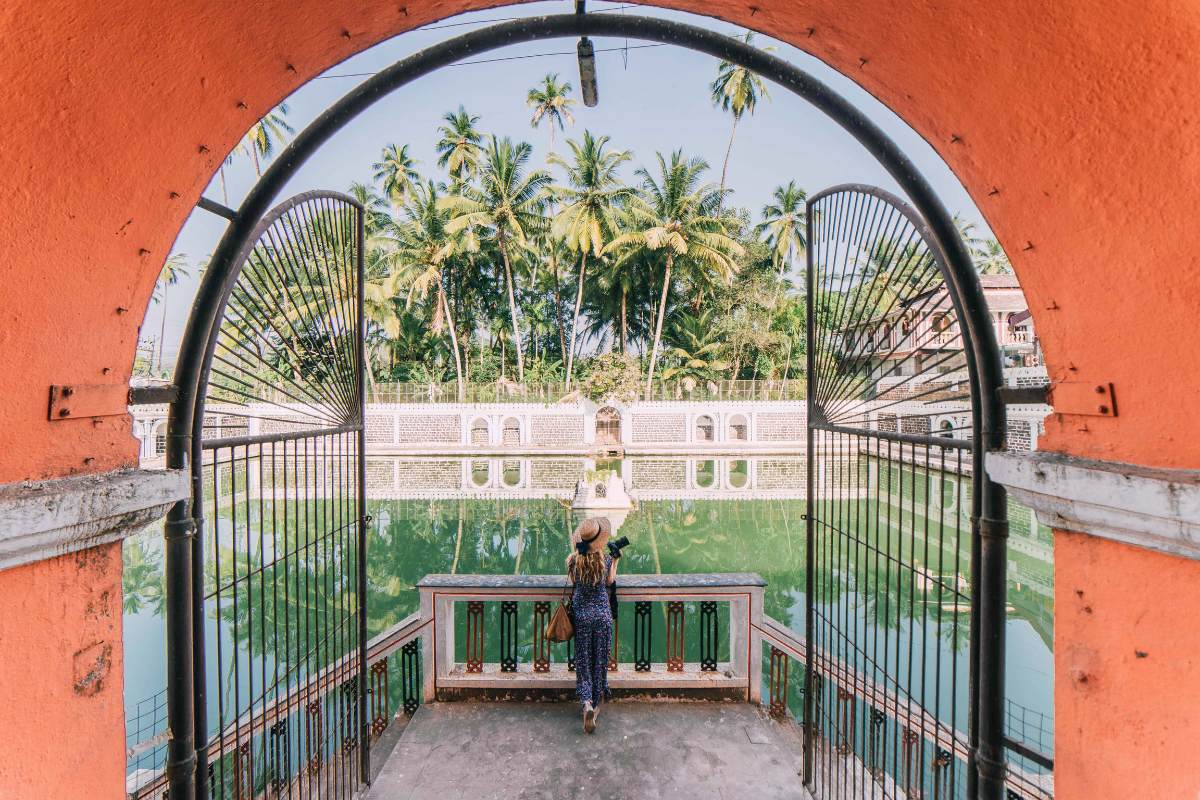
Experiment with Point of View
When travelling, it’s easy to focus on the obvious — a mountain range, ocean view, or famous landmark.
But powerful storytelling often comes from exploring multiple perspectives.
Try photographing the same scene in different ways:
- Wide landscape shot
- Close-up details
- Framed through objects
- From ground level
- From above
Changing your point of view adds variety and helps tell a more complete visual story of your destination.
Keep Your Composition Simple
In the realm of travel photography, simplicity can be one of the best tools at your disposal for creating unique and captivating images.
Instead of trying to capture everything at once, focus on one clear subject that represents the scene.
A clean composition:
- Feels more intentional
- Evokes stronger emotion
- Is easier for viewers to interpret
A helpful rule:
If it takes more than five or six words to describe your photo, it may be too complicated.

Add Interest with Details
Some of the most compelling travel photos come from small, often overlooked details.
Look for:
- Colour contrasts
- Textures and materials
- Patterns
- Signs of aging or history
- Food, crafts, and local objects
Shooting Techniques
- Shoot straight on for symmetry
- Shoot from above (flat lay style)
- Use tight crops to remove distractions
You can also add scale to landscapes by including:
- A person
- A vehicle
- A building
This helps viewers understand the true size of the environment.
Be Culturally Aware
Travel photography isn’t just about places — it’s about people and culture.
Capturing the essence of a destination requires respect, awareness, and sensitivity.
Best Practices
- Always ask permission before portraits
- Research cultural norms beforehand
- Respect photography restrictions
- Avoid intrusive or exploitative imagery
Being culturally aware not only improves your work — it fosters connection, respect, and authenticity in your storytelling.
Want to get better at photography? Read these articles next:
- Top Tips for Photographing Venice, Italy
- 18 Best Instagram Spots + Views in Porto
- How to Take Pictures of Yourself Alone When Travelling
Enjoyed this article on travel photography for beginners? Pin it!