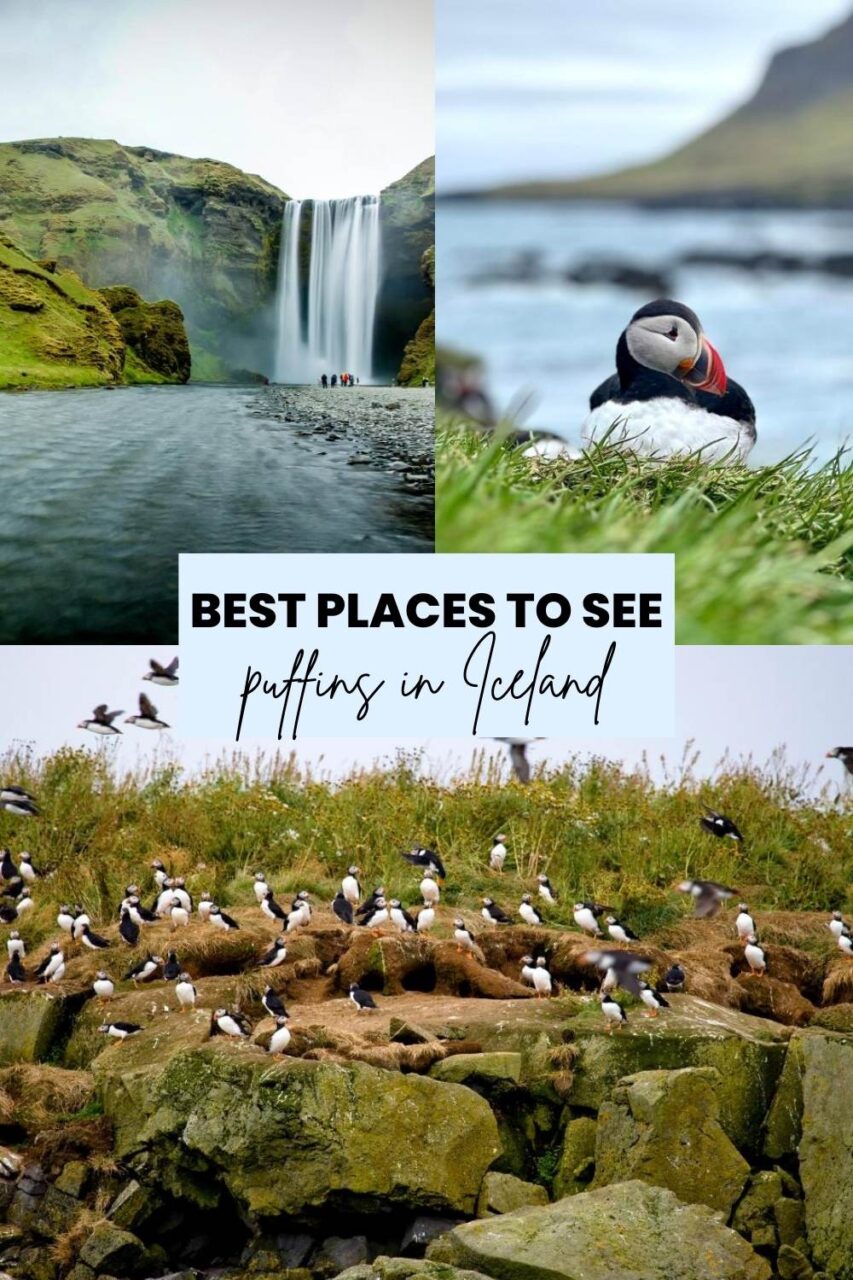
Iceland’s coastlines bring in millions of visitors each year. But while many head inland to the glaciers and hot springs, we often forget that the many offshore islands are the world’s most spectacular puffin viewing opportunities. These “clowns of the sea” arrive in Iceland between May and September, with peak puffin season Iceland is from June to early August.
So, here’s a rundown on where to see puffins in Iceland.
Westman islands
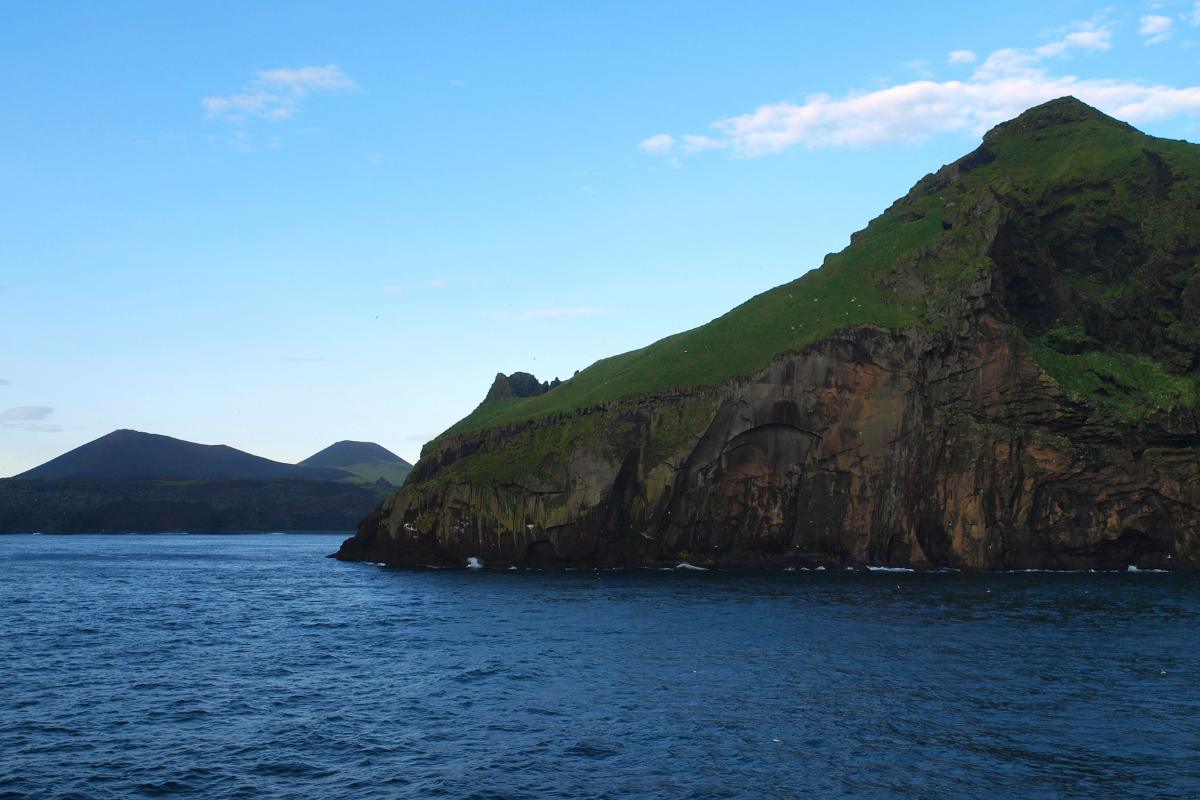
The Westman Islands (Vestmannaeyjar) host Iceland’s largest puffin colony – this is where Iceland puffins like to hang out, with an estimated 1.2 million breeding pairs. Heimaey, the main island, offers some incredibly close encounters with puffins nesting all along the clifftops. The Stórhöfði area provides a very reliable viewing, where puffins can be observed just metres away as they tend to their burrows. Local boat tours operate here for this very reason (from Heimaey harbour) and offer a serene perspective of the colonies whilst maintaining respectful distances from nesting birds. This is absolutely the number one choice for puffins Iceland.
Látrabjarg cliffs
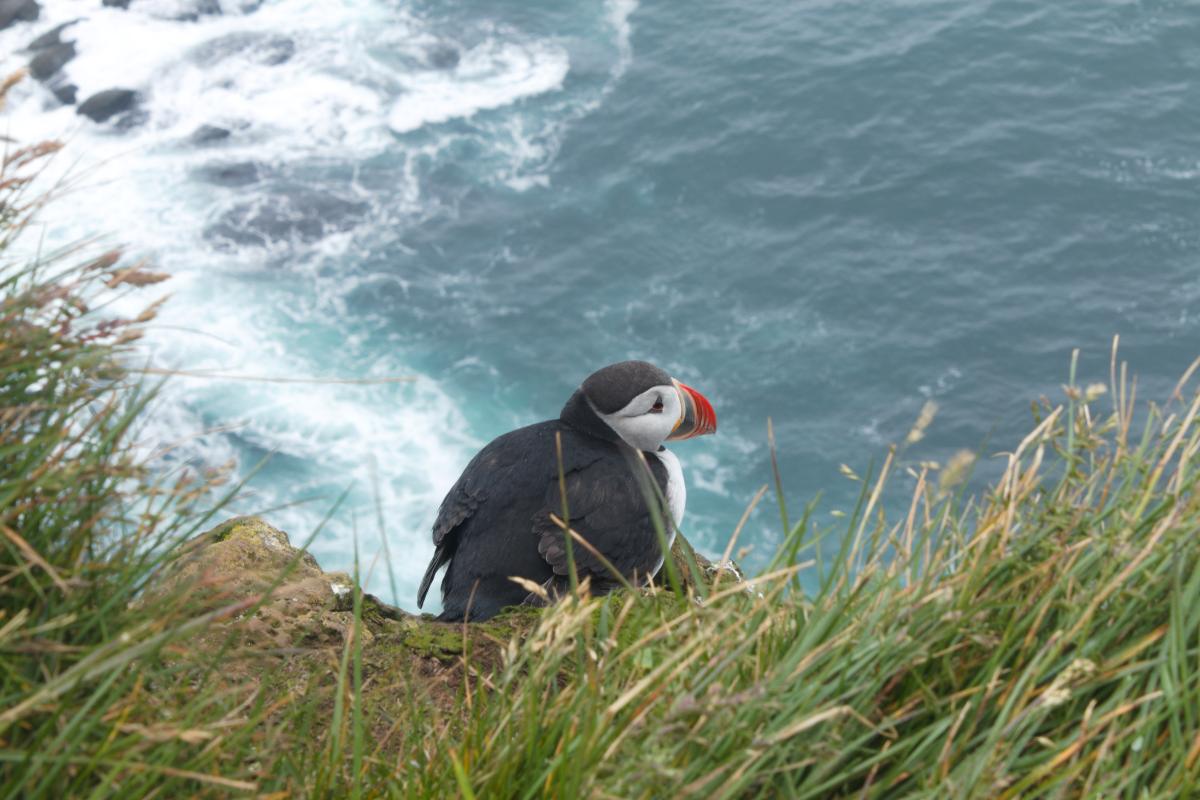
On the Westfjords peninsula, Látrabjarg is Europe’s largest bird cliff. It’s around 14 kilometres with heights reaching 440 metres. This is a fairly remote location that has around 60,000 puffin pairs alongside guillemots, razorbills and gannets. In some ways, this is a better trip for an all-round birder. The cliff-top walking paths allow visitors to approach within arm’s length of puffins, making it one of the most intimate wildlife experiences in Iceland. The journey does need some very careful planning though due to the remote location and unpredictable weather.
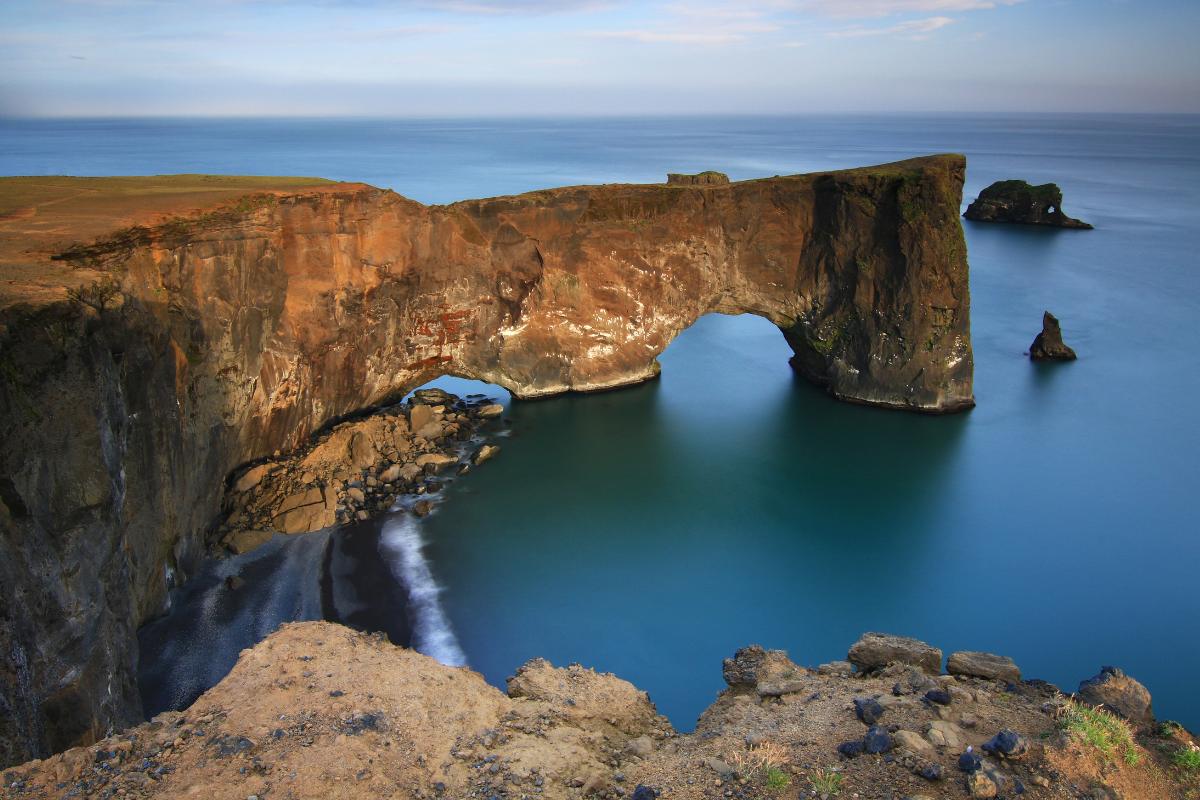
Dyrhólaey arch
Near Vík on Iceland’s south coast, the Dyrhólaey promontory has some excellent puffin viewing from its 120-metre-high cliffs. The natural rock arch creates is a dramatic space that is popular for photographers who can capture puffins nest in the surrounding grasslands and cliff faces. Access is pretty straightforward too with many marked walking paths, though visitors should always be careful near cliff edges.
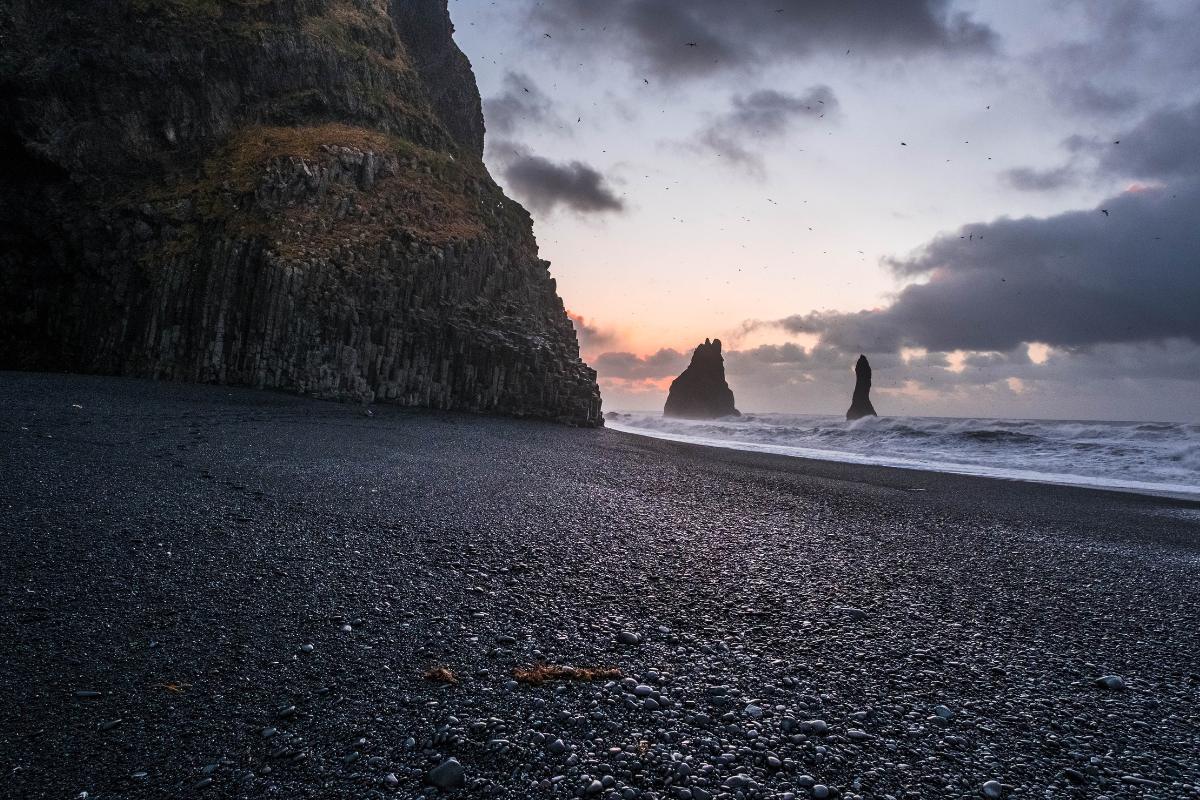
Reynisfjara
The famous black sand beach at Reynisfjara, whilst it’s more known for its basalt columns and big waves, also has some puffin viewing opportunities on the nearby Dyrhólaey cliffs. It might not have the most puffins, but it has the dramatic Reynisdrangar sea stacks, and these are nesting sites for various seabirds. It’s quite a dangerous place due to it to sneaker waves, so it might be best to watch the puffins from the cliffs rather than the beach itself.
For those planning extended puffin watching expeditions across more than one of these locations, it is best to go with a rental camper to maximise flexibility. Make a note of which ones are accessible via camper, but the likes of Reynisfjara very much is.
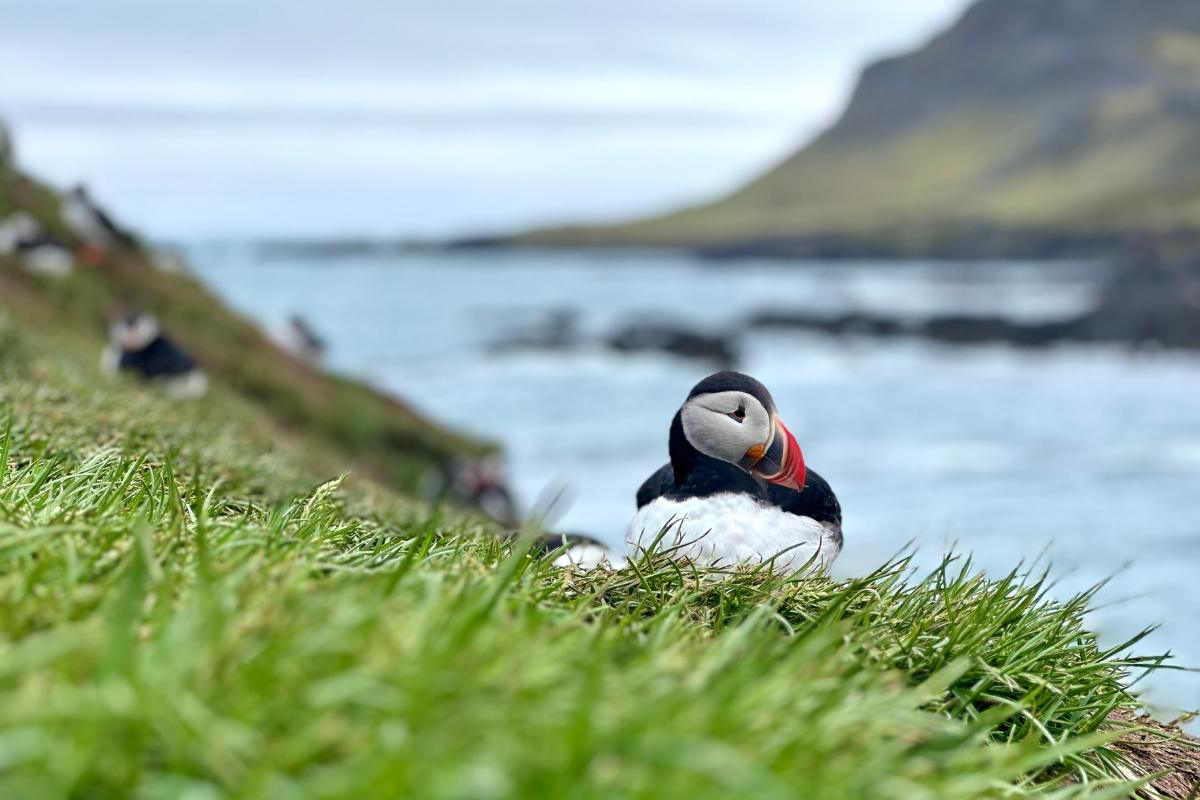
Ingólfshöfði cape
This isolated cape near Höfn is a little different as it requires guided access, but, it rewards visitors with one of Iceland’s most stunning puffin colonies. Approximately 5,000 breeding pairs nest on this protected reserve, alongside Arctic terns and skuas. The guided tours operate around summer, and there will be fewer people around, meaning you get expert interpretation of puffin behaviour and ecology.
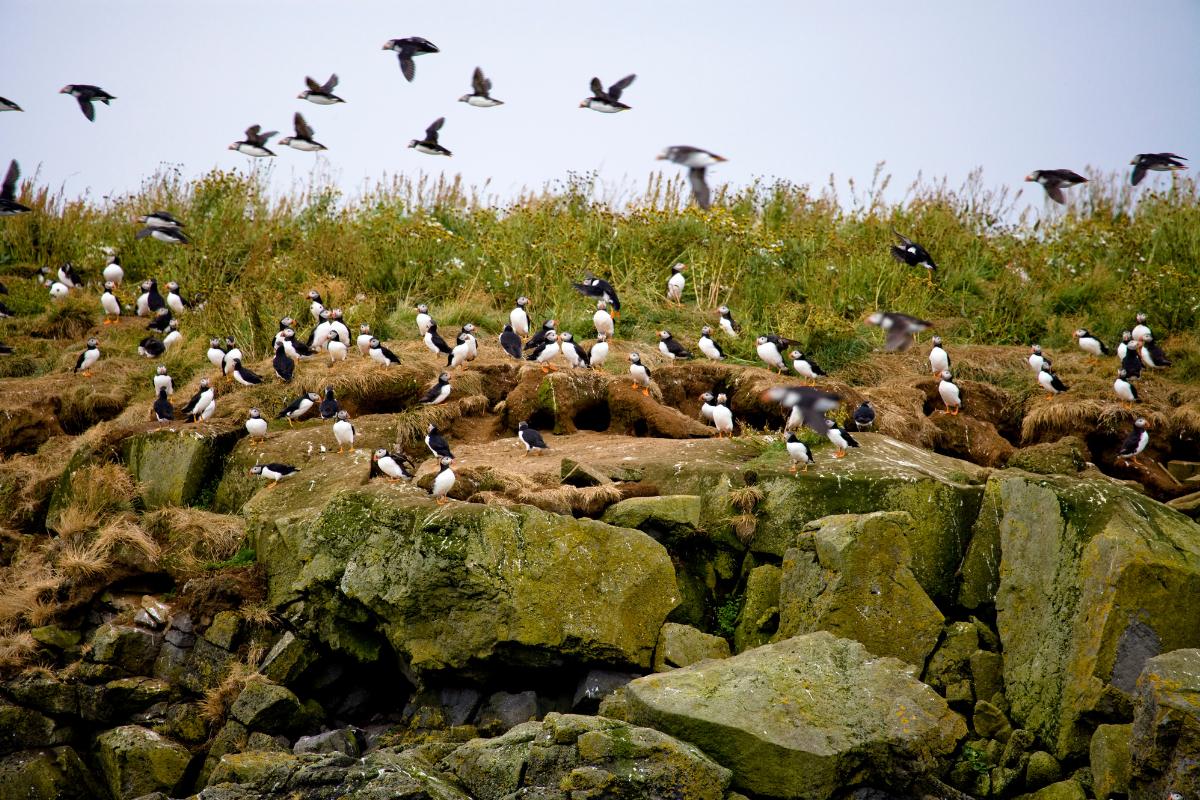
Grímsey island
Located on the Arctic Circle, Grímsey Island has well over 30,000 puffin pairs on its dramatic cliffs. The island’s remote location is accessible only by small aircraft or ferry, so this one’s not ideal for the campers, but it can be worth it for the authentic wilderness. Puffins nest throughout the island’s coastal areas and there’s a lot of dense concentrations along the western cliffs.
Borgarfjörður eystri
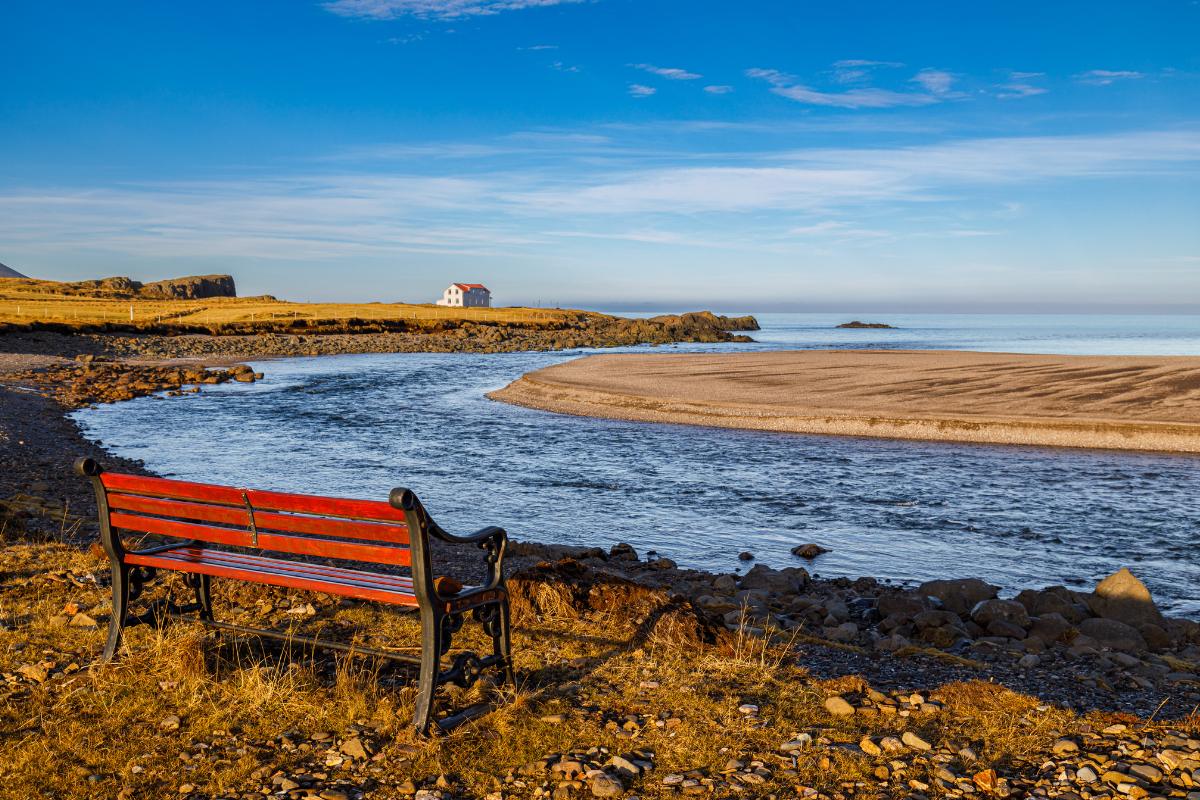
This remote fjord in East Iceland is an ideal option if you’re looking for fewer crowds than in the southern locations. The Hafnarhólmi peninsula has over 10,000 breeding pairs, and viewing platforms positioned for optimal photography and observation are dotted around.
Akurey island
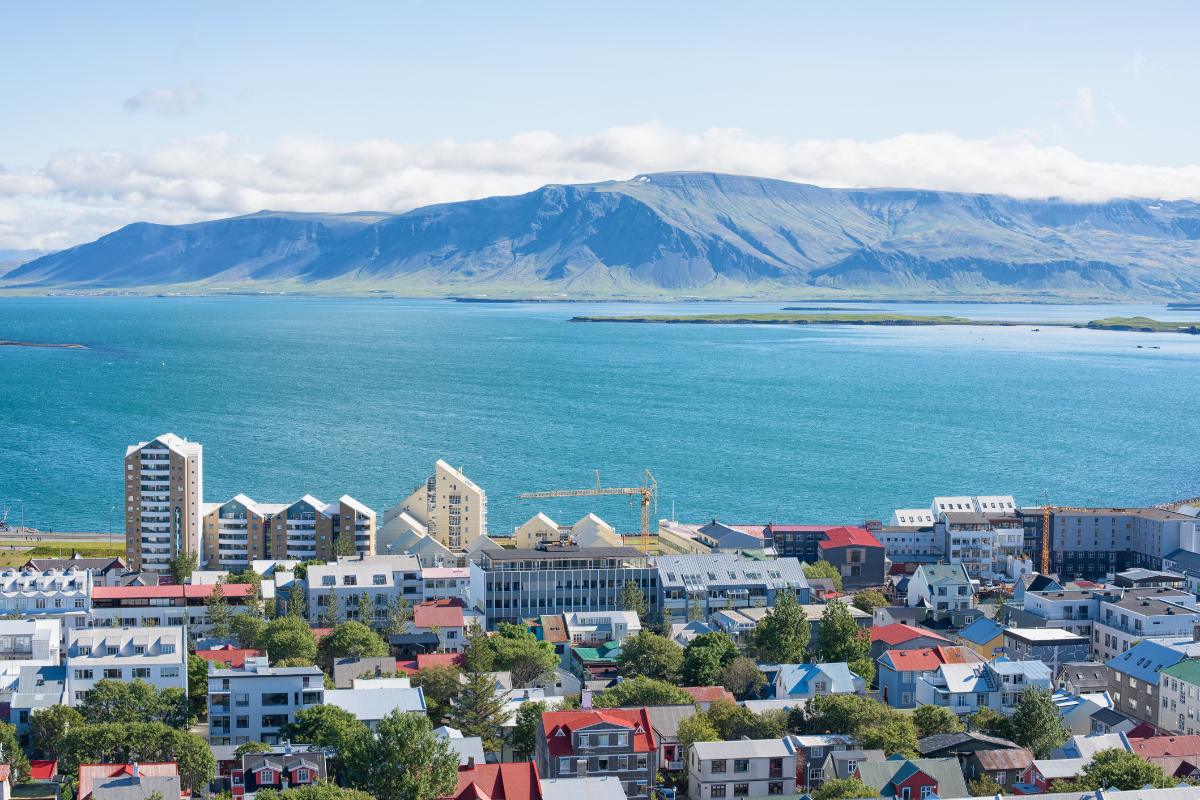
Just 20 minutes by boat from Reykjavík’s Old Harbour, Akurey Island is a surprisingly convenient puffin viewing location for those with limited time, despite it being an island. The island has around 8,000 breeding pairs, despite it being next to the capital. Multiple tour operators offer puffin watching excursions there, and some combine it with whale watching opportunities. This is an ideal option for those on a short trip.
Planning considerations
Seeing puffins in Iceland means booking your trip for the late spring or summer. July is when adults are actively feeding chicks and remain close to colonies. The weather will impact viewing quality, and calm, clear days are no guarantee even in summer. But, because it’s temperamental, you can often get a clear day, great for photography, right after a misty day.
It’s worth bringing a telephoto lens if you have one, because although you can get close, it may not be close enough if you have an under 100mm lens. Head out in the early morning and late evening for the best lighting conditions and increased puffin activity – this is when adults return with fish for their chicks, and getting a picture of feeding is perhaps the best outcome.
Planning a trip to Iceland? Read there articles next:
- The Best Time to Visit Iceland for Whale Watching
- Pönnukökur: Icelandic Pancakes Recipe
- Winter Packing Tips: A Guide
Enjoyed this article on where to see puffins in Iceland? Pin it!