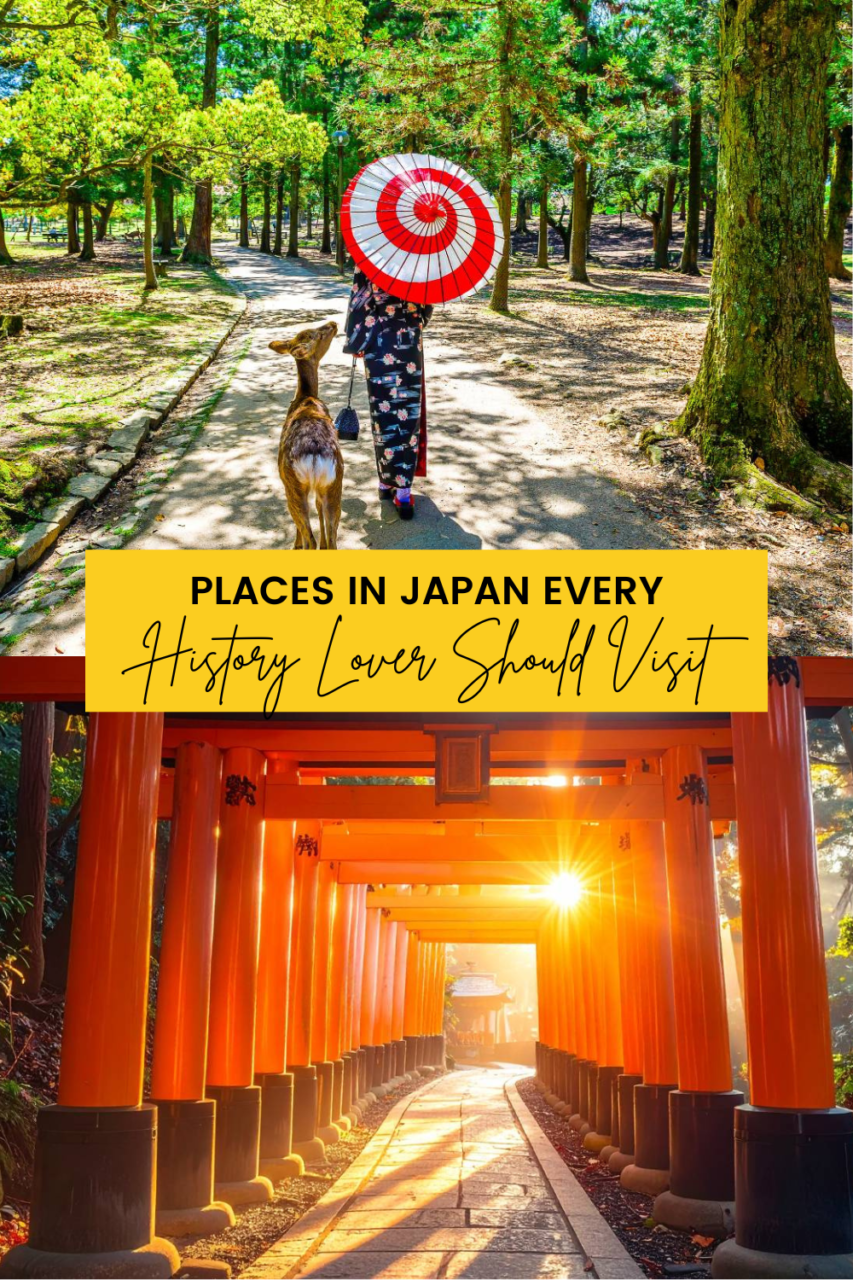
Japan boasts a far-reaching, intricate, and diverse history that few other nations can compare with. There’s something for every kind of history buff, from prehistoric sites through the famed feudal period to the scars of modern times. There’s far more to it than just Tokyo, like these four sites in Japan for history lover to visit.
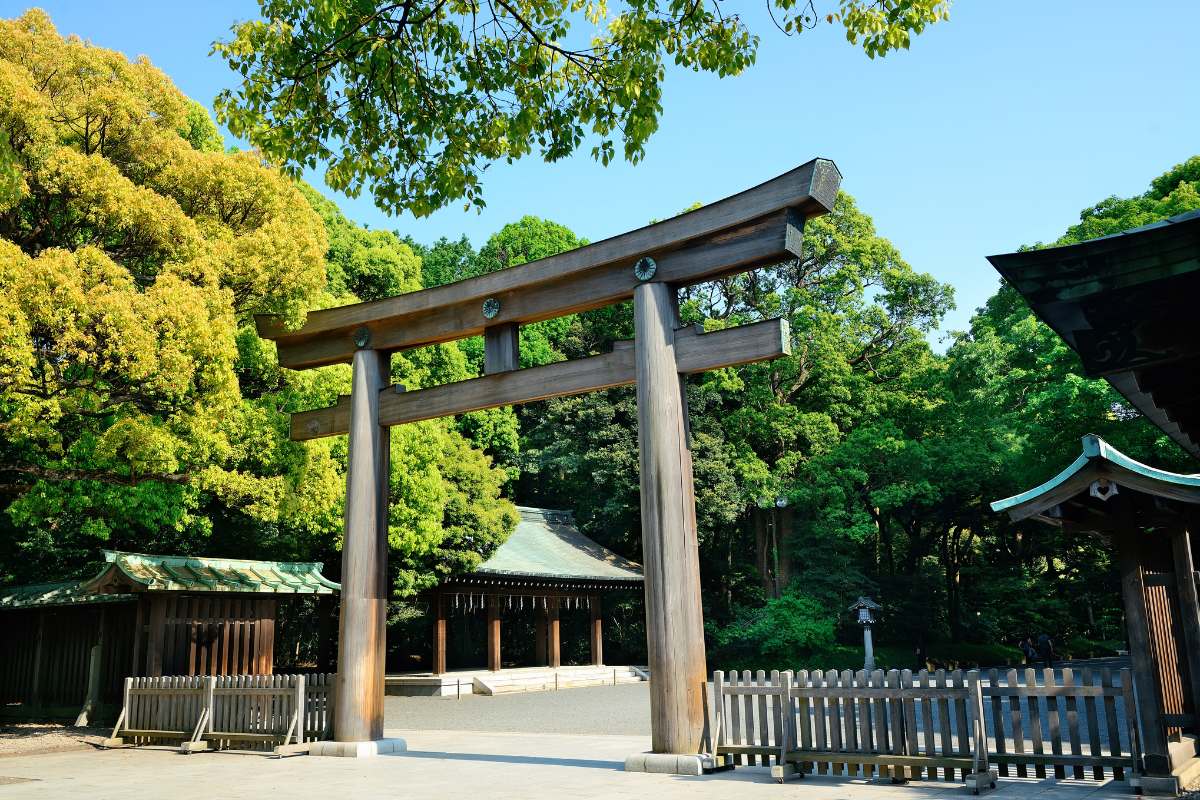
Ise Jingu
The Grand Ise Shrine is the most sacred and one of the oldest shrines in Japan’s native Shinto religious tradition. The site has been in continuous use since the 3rd or 4th centuries. Interestingly, traditional carpenters rebuild all the main and supporting buildings every twenty years as part of a ritual of renewal.
The shrine is dedicated to the chief deity of the Shinto pantheon, the sun goddess Amaterasu. It also houses the Sacred Mirror of the Emperor, one of Japan’s three holy treasures.
Consider visiting during the Kannamesai rice harvest ritual in mid-October or the Tsukinamisai festival in either December or June to experience authentic Shinto rituals. Be respectful by lowering your voice and observing shrine rules regarding photography and dress code. Observe the purification rituals if you want to approach the main shrine.
Ise Jingu is a complex covering almost eight square miles of forested land. While enjoying its serenity is encouraged, you’ll still want a means of staying connected. eSIM plans for Japan will provide online access by tapping into the local mobile network. So, using an eSIM lets you keep in touch or share photos and impressions without having to search for Wi-Fi.
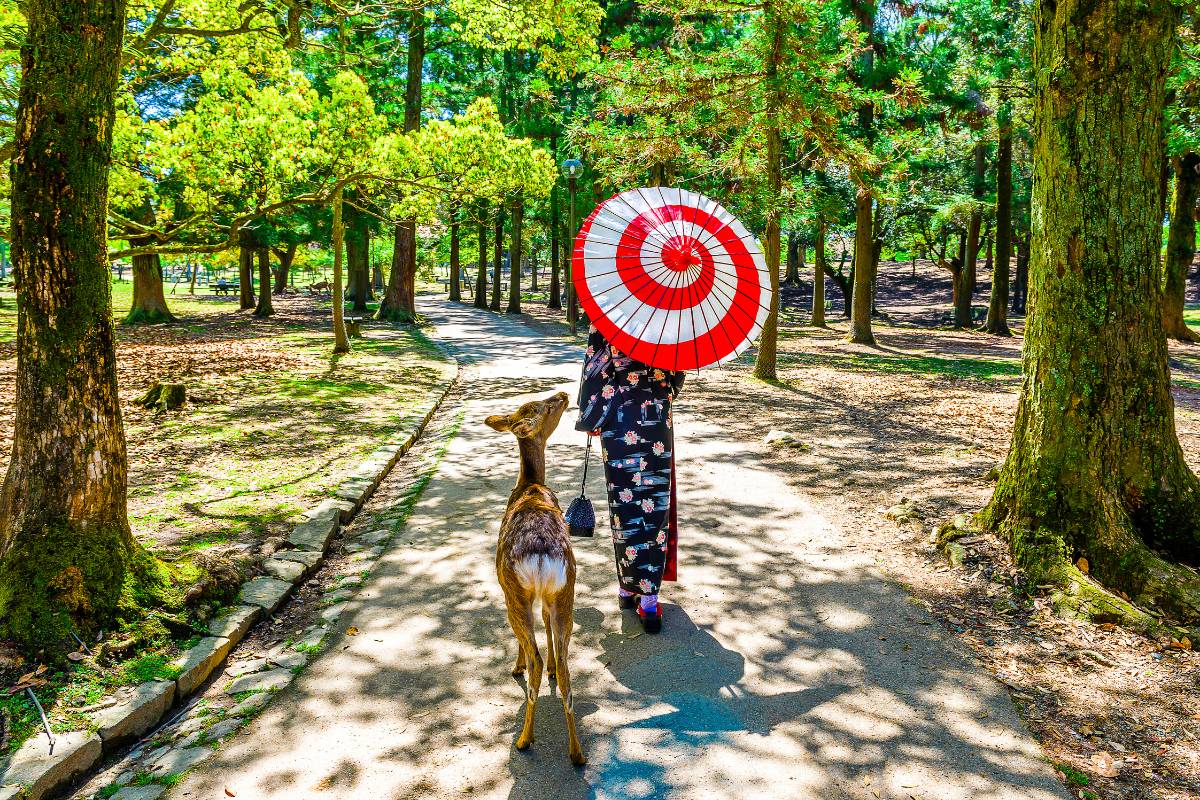
Nara
Nara was Japan’s first permanent, stable capital throughout most of the 8th century. Several diverse remnants speak of that time in the nation’s history. Politically, the most notable one is the Heijō Palace at the center of the eponymous park.
Conversely, Nara Park is home to the Todai-Ji and Kōfuku-ji. These are Buddhist temples famed for the giant Buddha statue and five-story pagoda, respectively. The Kasuga Taisha Shrine is adjacent to the temple and boasts paths adorned with thousands of bronze and stone lanterns.
Feeding the deer in Nara Park is an unforgettable experience. Be sure to buy the right food and respect the animals as they’re considered sacred. Bring cash for these and other purchases since vendors and temples may not accept cards.
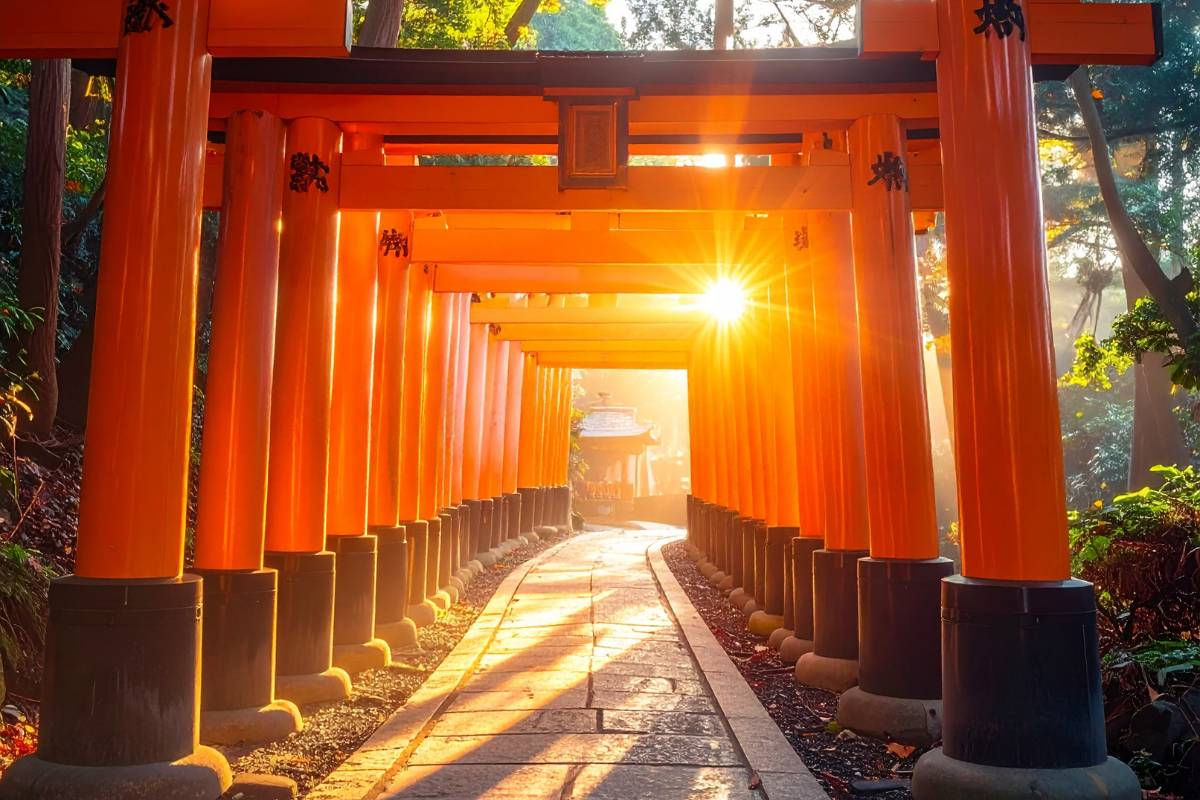
Kyoto
The thousand-year seat of the Japanese government and refined culture, Kyoto is a city whose layered history is far too rich to explore in depth here. We’ll stick to the highlights instead, like its two most famous districts, Gion and Pontocho. Their narrow alleys and wooden houses offer a glimpse into centuries of authentic living conditions. Gion is also renowned for its geisha district, while Pontocho is the birthplace of Kabuki.
Kyoto boasts around 1,600 Buddhist temples and 400 Shinto shrines. Kinkaku-Ji is a Buddhist temple renowned for its two completely gilded floors, while a thousand bright orange torii gates are hallmarks of the iconic Fushimi Inari Taisha shrine. You won’t want to miss a tour of Nijo Castle if you’re into feudal architecture or political history, as that’s where the Tokugawa shogunate ruled Japan from for more than 250 years.
Kyoto is among Japan’s most touristy destinations. You’ll want to get up early or be willing to visit close to closing times to beat the crowds. Additionally, you’ll want to bring plenty of water and wear sturdy walking shoes to navigate the narrow, stair-filled streets of Kyoto’s historical districts.
Instant access to information on public transport, museums, and guided tours is a must in a city as culturally varied and dense as Kyoto. Finding and using the best eSIM for Japan would make it easy since you can activate it at any time without having to swap your physical SIM out. Plus, you get internet access without relying on potentially dangerous Wi-Fi, and you’ll pay far less than you would for roaming.
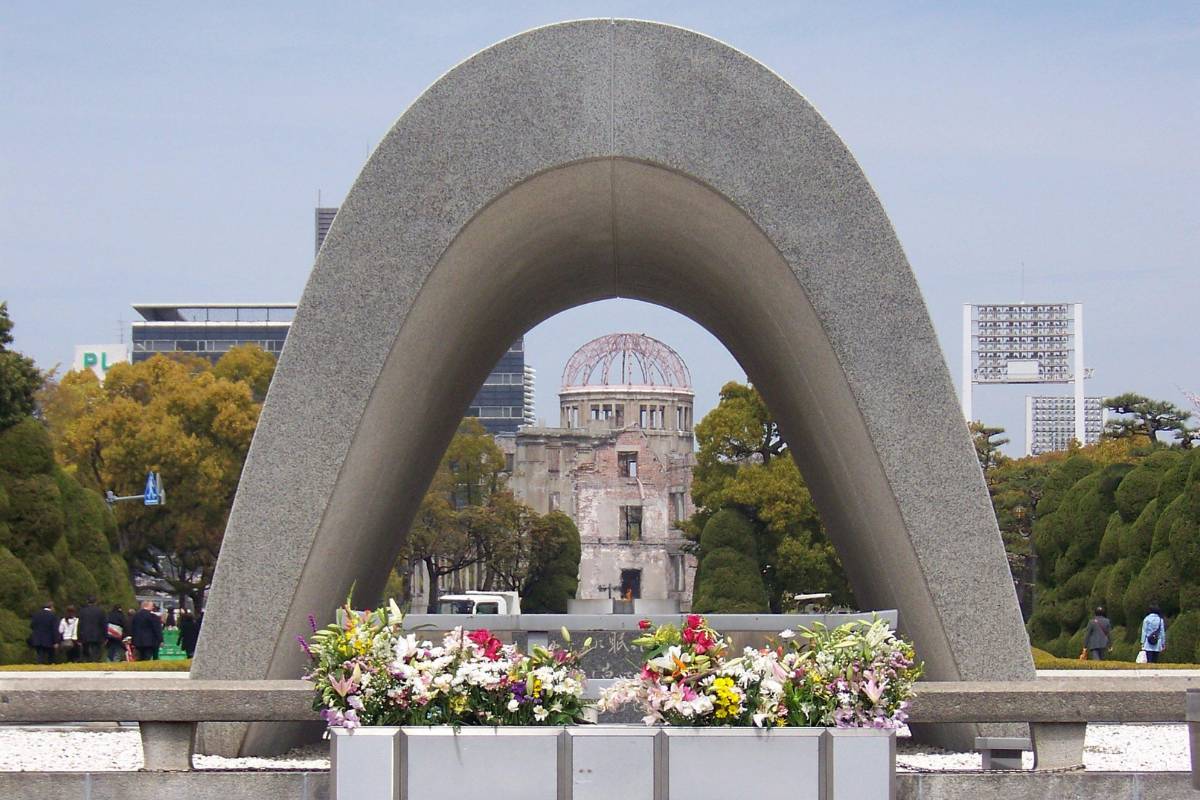
Peace Memorial Park, Hiroshima
The newest place of historical significance on our list is also the most somber. Hiroshima’s Peace Memorial Park commemorates the victims of the atomic bomb that devastated the city on August 6th, 1945.
The 30-acre park stands in place of Hiroshima’s erstwhile center of government. Only the domed hall that showcased the city’s industry remains standing and is now a UNESCO World Heritage Site called the Hiroshima Peace Memorial. Close by are the Peace Memorial Museum and a cenotaph honoring the more than 200,000 victims of the attack.
Taking in the gravity of the site and its significance in shaping our world takes time, so it’s best not to rush it. There’s also more to see outside the park, like Hiroshima Castle in the city itself or the Itsukushima shrine on Miyajima Island. The local ferry and tram network is efficient and punctual, so take advantage and get day passes if you’ll be using them a lot.
Planning a trip to Japan? Read these articles next:
- Japan Off the Beaten Path: 5 Places to Visit on Your Next Trip
- Universal Studios Japan Attractions NOT to Miss
- 10 of the MOST Scenic Places in Japan
Enjoyed this article of places in Japan every history lover should visit? Pin it!