You unpack your suitcase and wonder why you’re this tired. The flight went fine. The hotel bed was decent. The photos on your phone look cheerful enough. Still, the whole trip feels like it ran on a tight schedule you never meant to create. What was supposed to feel like a break turns into logistics with better weather.
Florida keeps drawing people back for obvious reasons: warm air, wide beaches, major attractions, and easy access from most cities. Different travelers arrive for different reasons. But the real shift usually comes from how the stay is structured. A resort-style setup tends to smooth the edges and slow the pace in ways a basic hotel rarely can.

Think Beyond a Room Key
Most trips begin with the same formula: book a room, outline a few outings, and assume the blanks will sort themselves out. They rarely do. Breakfast turns rushed, dinner becomes a phone search in a parking lot, and half the day disappears in traffic. The room ends up being storage for your suitcase. A resort changes that center point. You’re not just crashing there at night. Food is close. Things to do are steps away. You can settle in instead of constantly heading out. The place starts to feel like part of the vacation, not just where you sleep.
Explore Resort Packages
When travelers look for a more integrated stay, they often start by comparing packages that combine lodging with access to activities, dining, and amenities. The idea is not luxury for its own sake. It’s the convenience that feels thoughtful. Larger suites, kitchen space for simple meals, and family-friendly features tend to reduce daily stress, especially on longer trips. If you’re looking for a truly wholesome experience, you should consider looking into Westgate’s Florida vacations.
The resort offers different vacation packages, combining accommodation with perks and activities. You can choose a package that suits your budget and preference and enjoy a resort experience like never before. The packages are structured around bundled experiences rather than just nightly rates. That structure, where accommodations and entertainment are considered together, often helps travelers move from a basic trip to something that feels more complete and less fragmented.
Slow Down the Schedule
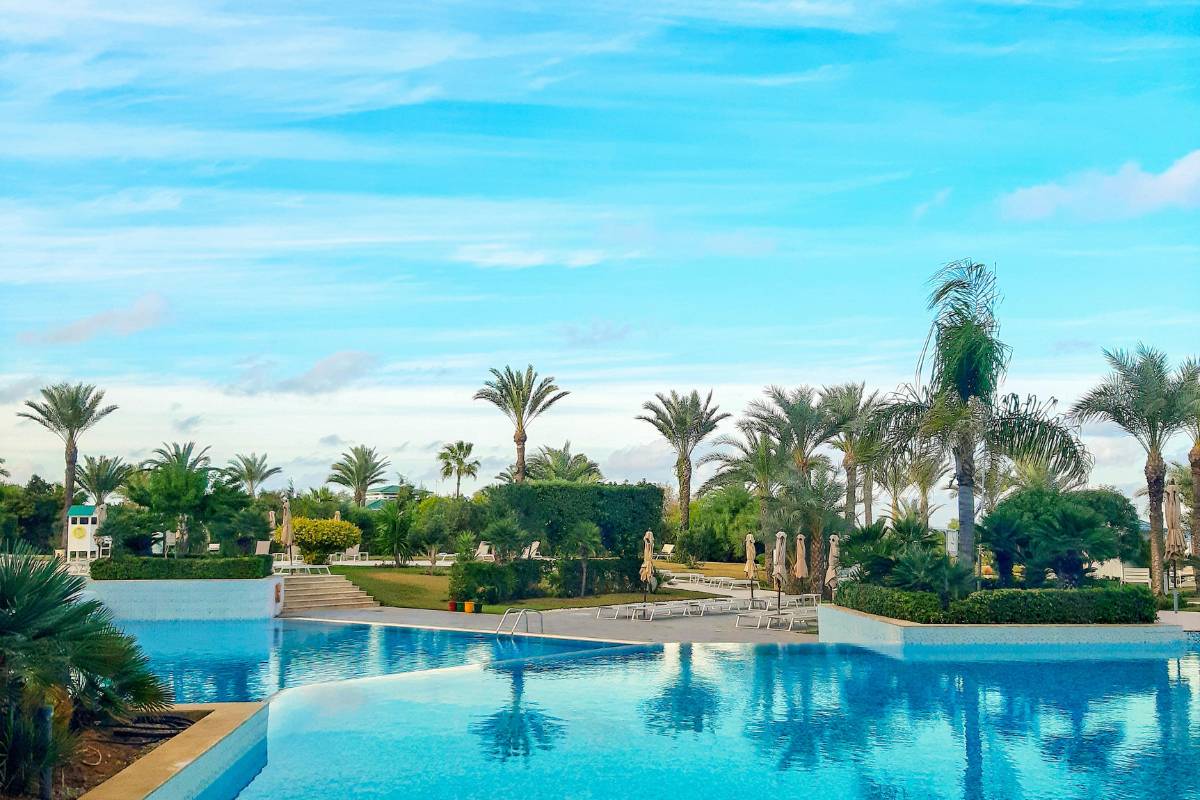
A simple trip often gets packed too tightly. You try to see everything because you’re already there. That mindset leads to early alarms, crowded attractions, and little time to breathe. A resort experience encourages a different rhythm. You might plan one main outing for the day, then leave space for unplanned time. Afternoon at the pool. A quiet hour on the balcony. Kids are in a supervised activity while adults sit still for once. It sounds obvious, but most people don’t actually schedule downtime. They assume it will appear naturally, and it rarely does. When amenities are built into the stay, downtime becomes easier to protect.
Create Zones for Different Moods
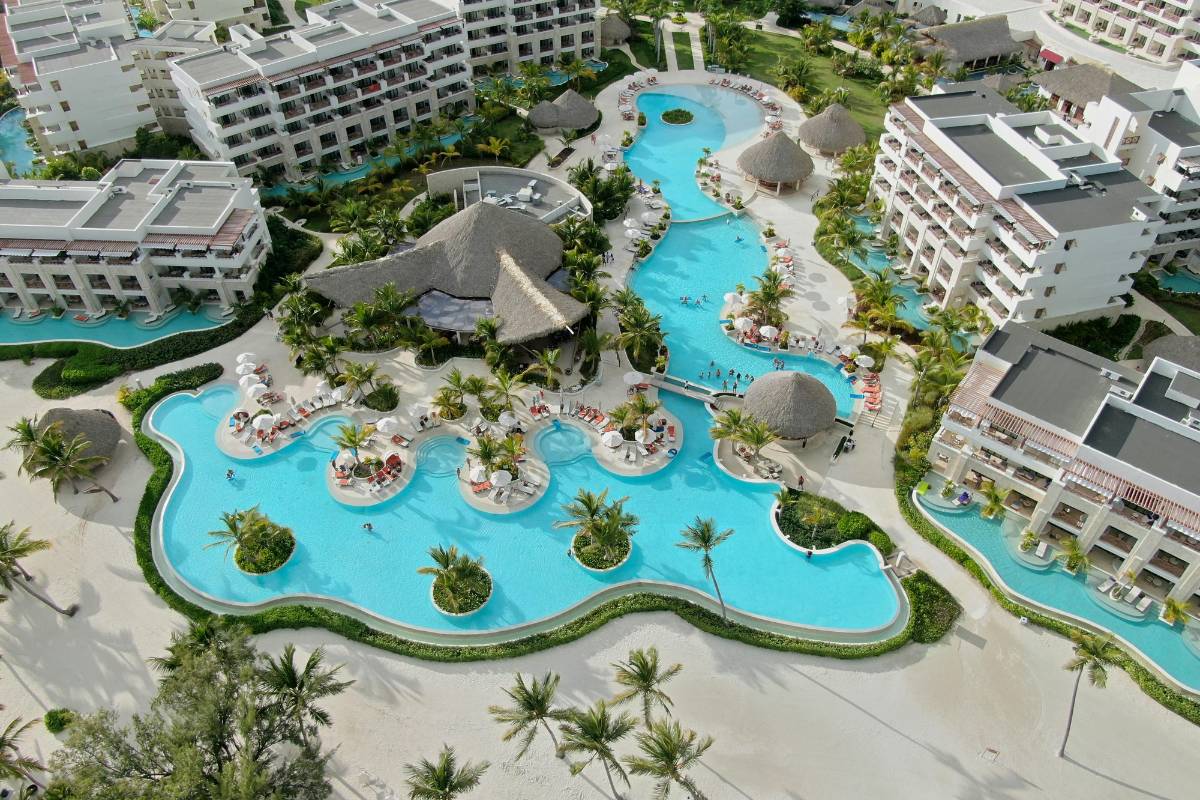
On a bigger property, you don’t have to choose one vibe for the whole day. If the pool gets loud, you can drift somewhere quieter without piling into the car. If the kids want noise and games, someone else can slip off to a shaded corner or a slower dinner spot. That flexibility makes a difference, especially with family or friends. On simpler trips, moods tend to clash. One plan has to win. In a space designed with variety, that pressure eases. Even having separate bedrooms or a small living area gives people breathing room, which helps keep small irritations from boiling over.
Rethink Meals as Part of the Experience
Food decisions shape the flow of any trip. On a simple stay, meals can become repetitive or rushed. You grab what’s nearby, often spending more time driving and waiting than actually eating. A full resort experience changes the equation. When dining options are within walking distance of your room, meals feel less like logistics and more like part of the day’s rhythm. You might have breakfast in, using a small kitchen for something easy. Lunch by the pool. Dinner at an on-site restaurant where you don’t need to check traffic or parking. It doesn’t have to be gourmet to feel satisfying. It just needs to be accessible and consistent.
Use On-Site Activities to Fill the Gaps
Trips always have those in-between hours no one plans for. The stretch before dinner when everyone is restless. The slow morning after checkout, bags packed, nowhere comfortable to sit. On a basic trip, that time gets eaten by scrolling phones or wandering around with no real aim. Resorts tend to handle those pockets better. There might be a short fitness class, a craft table for kids, a casual game by the pool, nothing too serious. You can join or skip it. When it’s flexible like that, it doesn’t feel scheduled or forced. A simple movie under the stars or a quiet guided walk often sticks in memory longer than the headline attraction.
Make the Stay Multi-Generational Friendly
More families are traveling with grandparents or extended relatives. It changes the dynamics. Accessibility matters. Quiet spaces matter. So does having activities that appeal across age groups. A resort setting can simplify this. Elevators, accessible pathways, multiple dining options, and varied programming allow different generations to engage at their own pace. Not everyone has to participate in everything. That freedom reduces stress, especially when travel already stretches budgets and patience. It’s not about perfection. It’s about reducing friction.
Treat the Property as a Destination
One shift that turns a simple trip into a fuller experience is mental. Instead of viewing the property as a backdrop, treat it as part of the destination. Walk the grounds. Notice the landscaping. Attend a small event you might normally skip. When travelers only sleep and leave, they miss half of what they paid for. Slowing down enough to use the amenities changes the value equation. You feel like you’re getting more out of the stay without adding more to the schedule. This mindset also softens the pressure to “do it all.” If the property itself offers enjoyment, missing one attraction doesn’t feel like failure.
The best vacations don’t leave you needing another vacation. This sounds obvious, yet many trips are planned without considering recovery. Late nights, early mornings, packed days. A resort experience encourages small acts of restoration. A spa visit. A long swim. An afternoon nap without guilt. These pauses are not indulgent. They are practical.
Planning a trip to Florida? Read these articles next:
- 5 Most Famous Highways in America
- 10 Essential Tips for Planning the Ultimate USA Road Trip
- Beautiful College Campuses in the USA to Visit While Traveling
Enjoyed this article on how to turn a Florida trip into a resort experience? Pin it!