
Fiji is a country of stunning tropical beauty that most people only dream of experiencing. Its enchanting palm-tree covered beaches, with warm, calm, turquoise water and incredible coral reefs, will make you daydream for years about your visit. It is a perfect getaway to just relax and forget all of your worries. However, paradise comes with a few challenges.
First of all, Fiji is not just one big island, so you will not be able to see everything you would like to in a single day. It is an incredibly beautiful country made up of more than 330 islands. Figuring out transportation around the islands and how to navigate the local culture respectfully will make your visit much more enjoyable. Finally, travel insurance to Fiji is a must. It will save you a lot of time and trouble in the long run, so just do it.
1. Fiji is an Island Nation
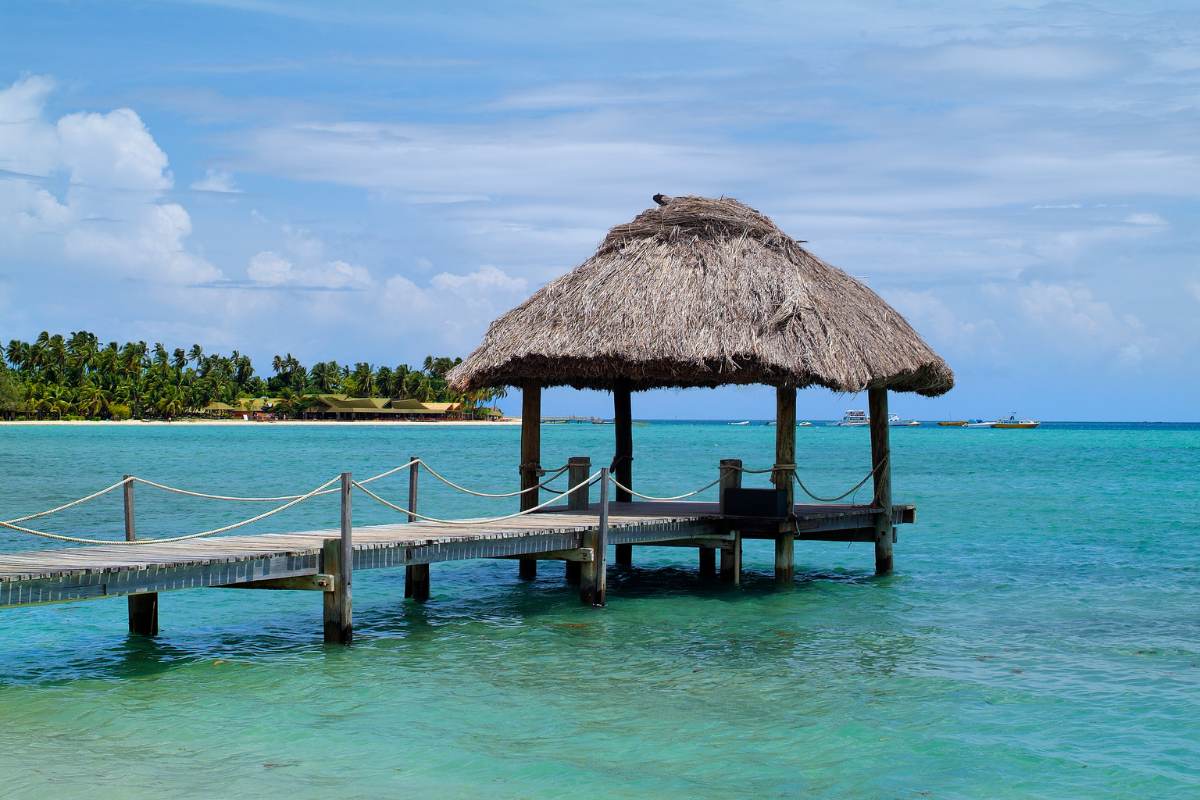
Many people think Fiji is one island, but it is actually an entire country made up of almost 400 islands, with new rocks forming. You will not be able to see everything in one day, so you must plan your trip accordingly.
You will be doing a lot of transfers, whether that be hopping on a ferry to cross to a new island, taking a small plane to another island, or driving for hours on narrow, winding roads that hug the coast. It can be very tempting to pack each day of your vacation full of activities, but to minimize frustration and anxiety, allow yourself plenty of time to travel between activities.
A lot of islands only service a couple of times a day, and air travel can be very unpredictable due to the weather. So make your schedule wide open and try to do as little as possible, since this is a beautiful island paradise, not an amusement park.

2. Cash, Cards, and Everyday Expenses
While credit cards are accepted at most hotels and resorts and in some of the larger cities, most of the smaller villages and more remote islands are cash only. Larger towns have ATMs, but don’t expect to find any on the smaller islands.
Expenses can vary quite a bit. Meals are quite affordable, but tourist activities such as diving and island tours can be pricey. Tips are not required, but are a nice gesture that is appreciated by the guides and drivers. Carry a mix of cash and cards and be prepared for little surprises in daily expenses.
3. Local Culture and Village Etiquette are Important
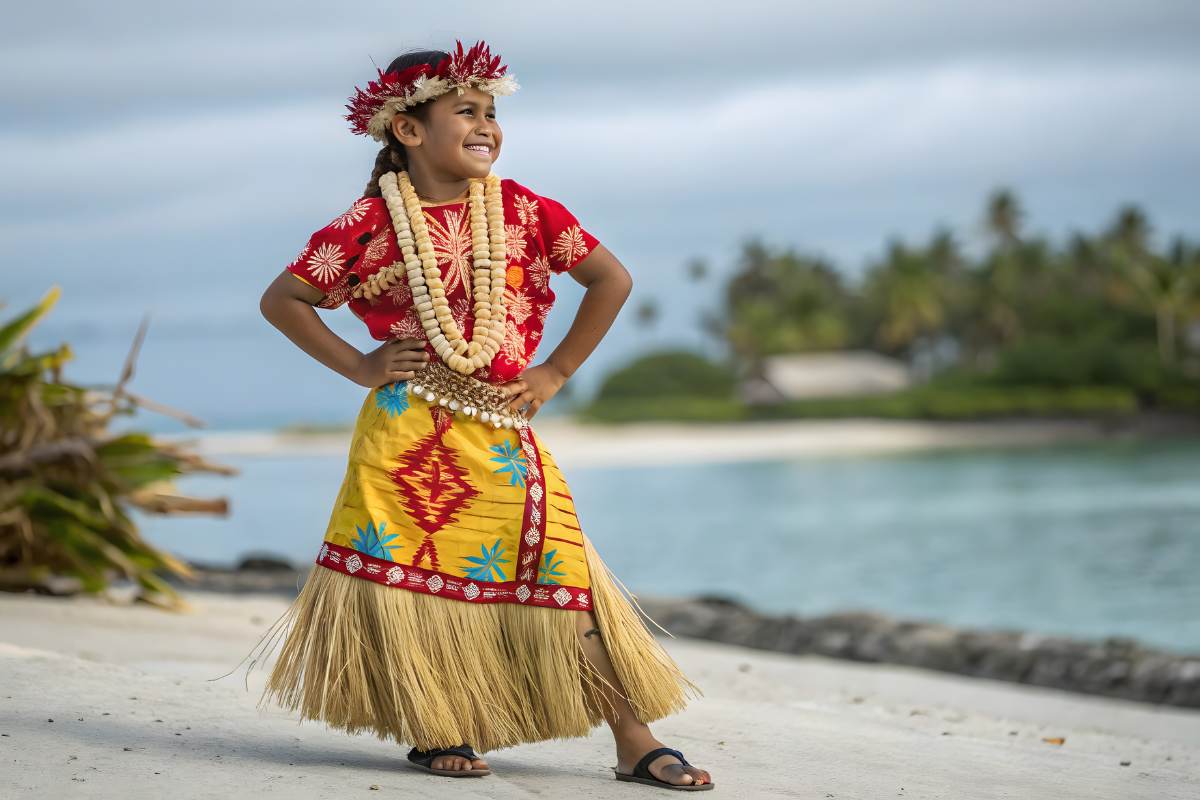
Fiji’s culture is very warm, welcoming, and respectful. When visiting the local villages, keep in mind the following:
- Dress modestly: Cover shoulders, and remove shoes before entering homes or any of the sacred places.
- Greet politely: A simple handshake, smile, or nod is all that is needed to say hello.
- Ask before photographing: Get permission before taking pictures of anyone or any of the homes.
- Respect private spaces: These villages are actual communities, not tourist attractions. Do not enter or walk around unless you are invited to.
- Participate in a respectful manner: If you show enthusiasm for local traditions such as storytelling or kava ceremonies, it is appreciated and will create more opportunities for you to partake in even more authentic experiences.
4. Weather, Seasons, and When to Visit
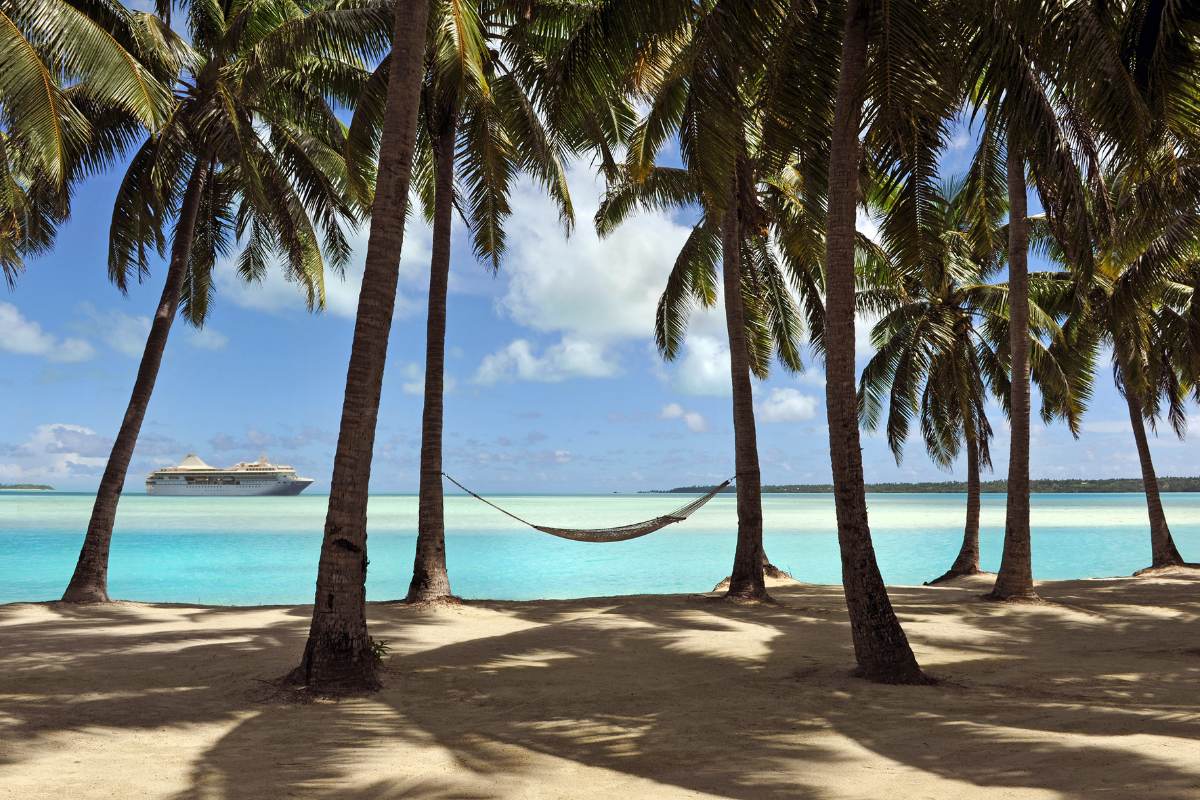
There is a tropical climate all year round. May to October is the dry season and November to April is the wetter and hotter season. Dry season is the best time to explore the islands and do outdoor activities. The wetter season brings more rain but fewer tourists. Knowing the seasons will help you pick the best time to go and help you pack the right things for the activities planned.

5. Health, Safety, and Medical Access
Fiji is safe, but be careful to know how to be safe. Check how to do things like swimming and reef activities safely. Fiji is safe, but know where the hospital and clinics are, especially if you are on the smaller islands, and pack any medication you may need.
We are near the ocean, so don’t forget to check for currents and be safe in the reef, and pack some first aid just in case. We want to avoid issues so you enjoy your trip as best as you can at the ocean.
6. Island Activities Need Planning
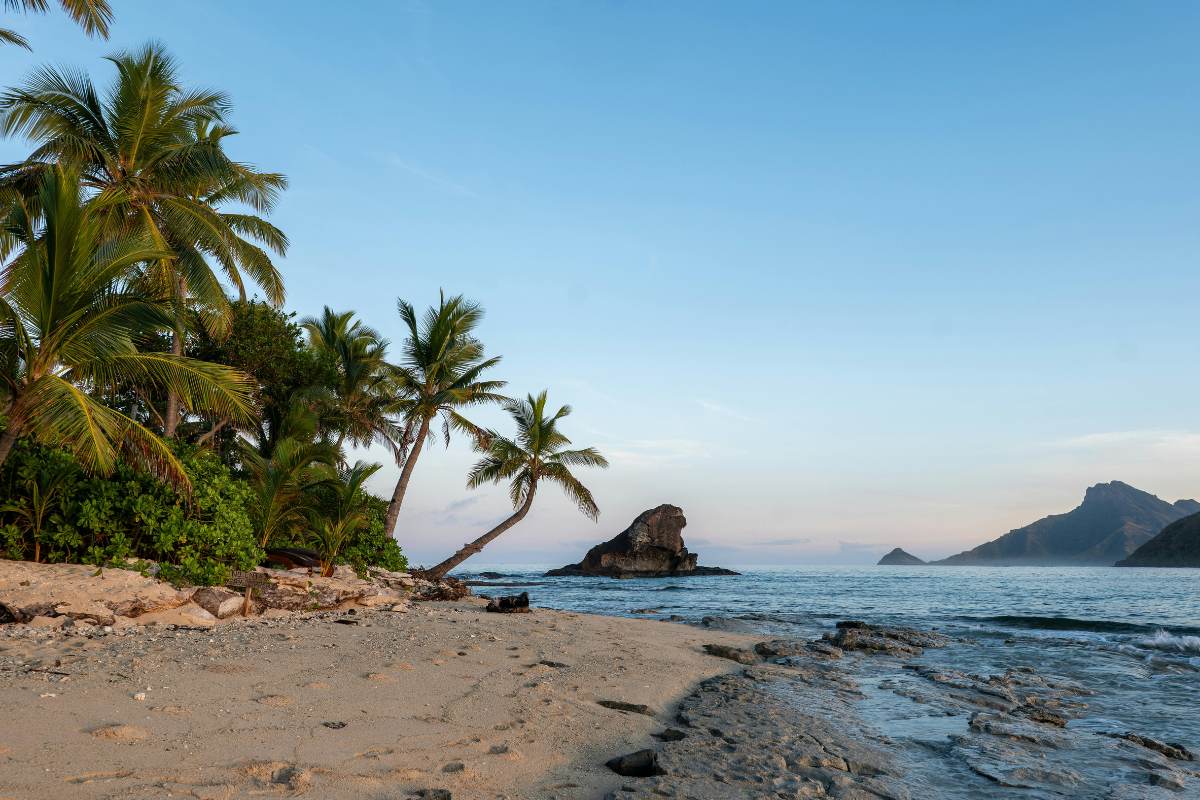
Many of Fiji’s top activities, such as cultural tours, island hopping, snorkeling, and diving, require advance booking. This is especially true during peak season. In terms of safety and quality, reputable operators make a big difference.
Weather changes can influence boat rides, so be flexible. Identify and decide which activities you want to prioritize, book in advance for high-demand activities, and be sure to keep some time open for unplanned activities. Having a plan in place for island activities can help ensure a positive experience.

Fiji is a Place of Opportunity for the Prepared Traveler
Fiji is more than just a place to visit; it’s an experience waiting to be had. The culture, along with the reefs and the islands, is unforgettable. Enjoying Fiji’s culture and natural wonders requires a little more care and preparation.
Having a flexible itinerary and planning with consideration for the destination’s culture, as well as your own safety and health, is what makes a vacation to Fiji an enjoyable experience. Once you have prepared and secured your travel insurance for Fiji, you can spend your time fully relaxed, absorbing the beauty of a tropical island.
Planning a trip to Oceania? Read these articles next:
- An Auckland Itinerary for Four Days
- 10 Things to Know Before Visiting Australia
- 8 Best Views in Auckland, New Zealand
Enjoyed this article on things to know before traveling to Fiji? Pin it!