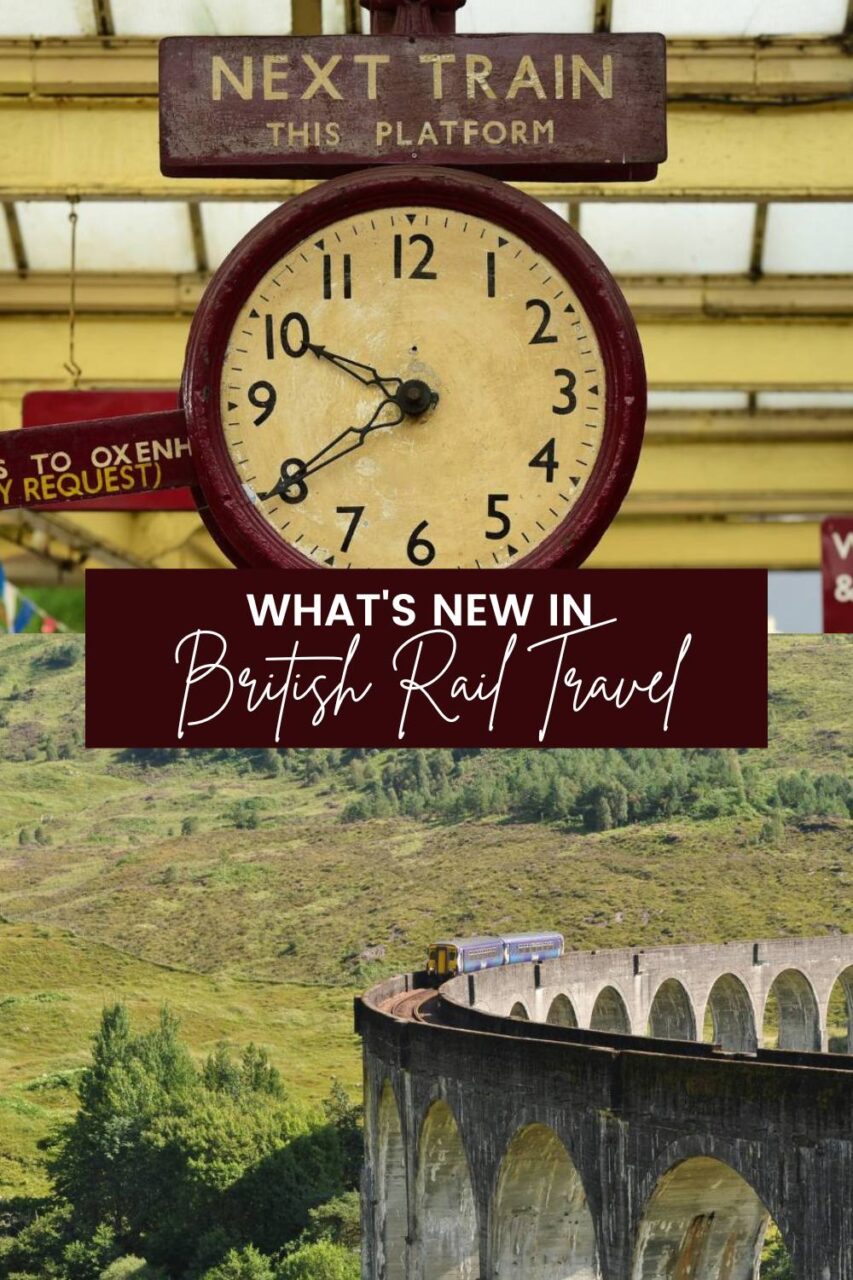
The gentle rhythm of wheels on tracks, the changing landscape outside your window, and the romantic notion of overnight journeys are making a spectacular comeback. British rail travel is experiencing its most exciting transformation in decades. With luxury sleeper trains launching, cutting-edge digital technology revolutionizing operations, and scenic routes being rediscovered by a new generation of travelers.
The year 2025 marks a turning point where nostalgia meets innovation on Britain’s railway network.
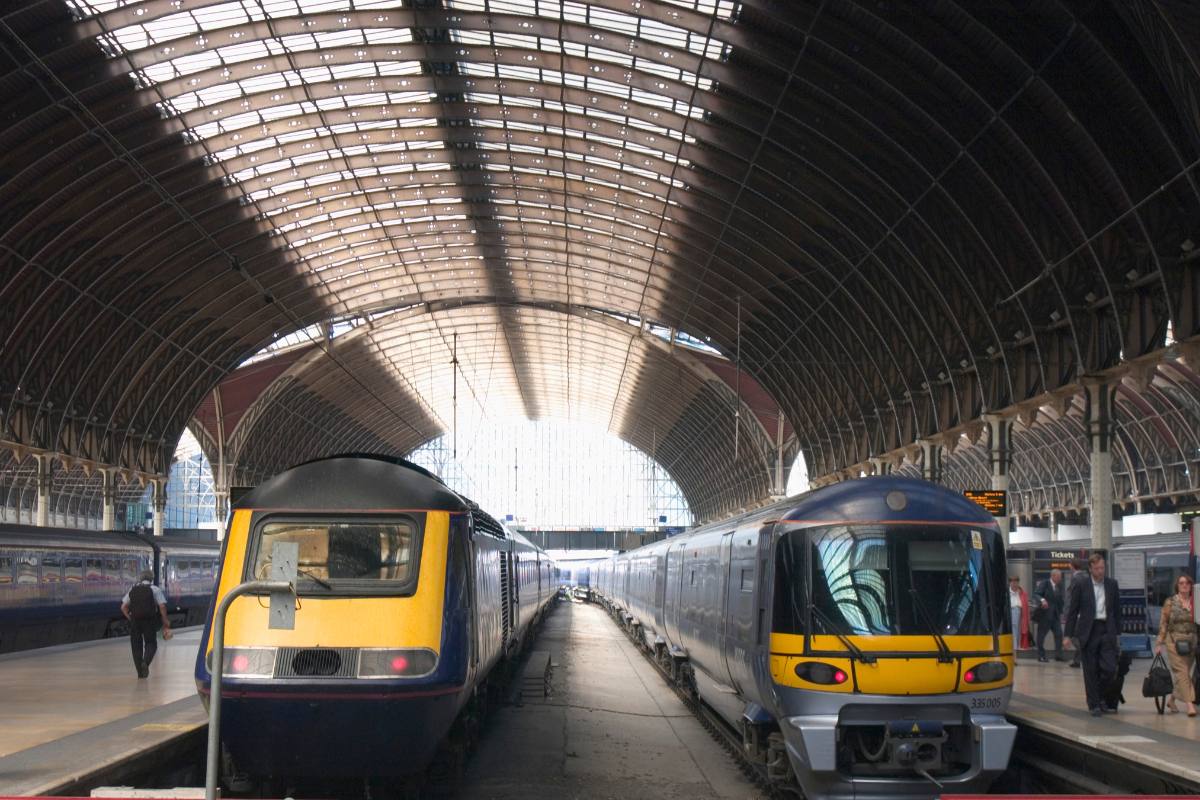
The Luxury Sleeper Revolution: Britannic Explorer Takes Center Stage
July 2025 brings the launch of the Belmond Britannic Explorer, the first luxury sleeper train to serve England and Wales. This 18-cabin marvel represents a new era in British rail luxury. Offering three distinct routes from London Victoria to some of the country’s most stunning destinations.
The Cornwall route takes passengers through the dramatic landscapes of the Southwest, stopping overnight in scenic locations. The Lake District journey showcases England’s most beloved national park, while the Wales route explores the rugged beauty of West Wales and the Cambrian Mountains. Each journey features fine dining courtesy of multi-Michelin-star chef Simon Rogan, elevating train travel to a world-class experience.
What sets the Britannic Explorer apart is its unique approach to overnight travel. Rather than rushing through the countryside in darkness, the train remains stationary each night, allowing passengers to wake up in spectacular locations and explore during the day.
This innovative concept transforms rail travel from simple transportation into a luxury touring experience.

Digital Revolution: Britain’s Railway Goes High-Tech
Behind the scenes, Britain’s railway infrastructure is undergoing its most significant technological upgrade in generations. The £1.4 billion East Coast Digital Programme represents a government-backed initiative modernizing the UK’s railways. Moving away from traditional trackside signals to sophisticated digital systems.
Testing is currently underway between Welwyn Garden City and Hitchin, with trains expected to run on the digital signalling system from late 2025. This revolutionary change means train drivers receive signals directly in their cabs rather than relying on trackside infrastructure that has remained largely unchanged for over a century.
Even heritage railways are embracing the digital age. Network Rail is fitting steam locomotives with ETCS digital signalling equipment, ensuring that even the most traditional trains can operate safely on modernized tracks. This thoughtful integration preserves Britain’s railway heritage while embracing technological progress.

Scenic Routes: Rediscovering Britain’s Natural Beauty
While new technology improves efficiency, Britain’s most scenic railway routes continue to captivate passengers with their timeless beauty. The existing sleeper services have also gained renewed popularity, with the GWR Night Riviera Sleeper from London to Penzance and the Caledonian Sleeper from London to Scotland offering affordable alternatives to air travel.
The Caledonian Sleeper deserves special mention for its comprehensive Scottish network. Running from London Euston to five destinations in Scotland, including Edinburgh, Glasgow, Fort William, Aberdeen, and Inverness, with journey times varying from 7.5 to almost 13 hours, it provides unmatched access to Scotland’s diverse landscapes.
Daytime scenic routes are also experiencing renewed interest. The journey through the Scottish Highlands to Mallaig, often called one of the world’s most beautiful train rides, continues to enchant travelers with its lochs, mountains, and coastal views. Similarly, routes through the Peak District, Welsh valleys, and Devon countryside offer spectacular alternatives to motorway travel.
UK ETA application requirements that took effect in January 2025 have made domestic travel planning even more appealing for international visitors, as exploring Britain by rail requires no additional visa complications once entry permission is secured.
Enhanced Passenger Experience
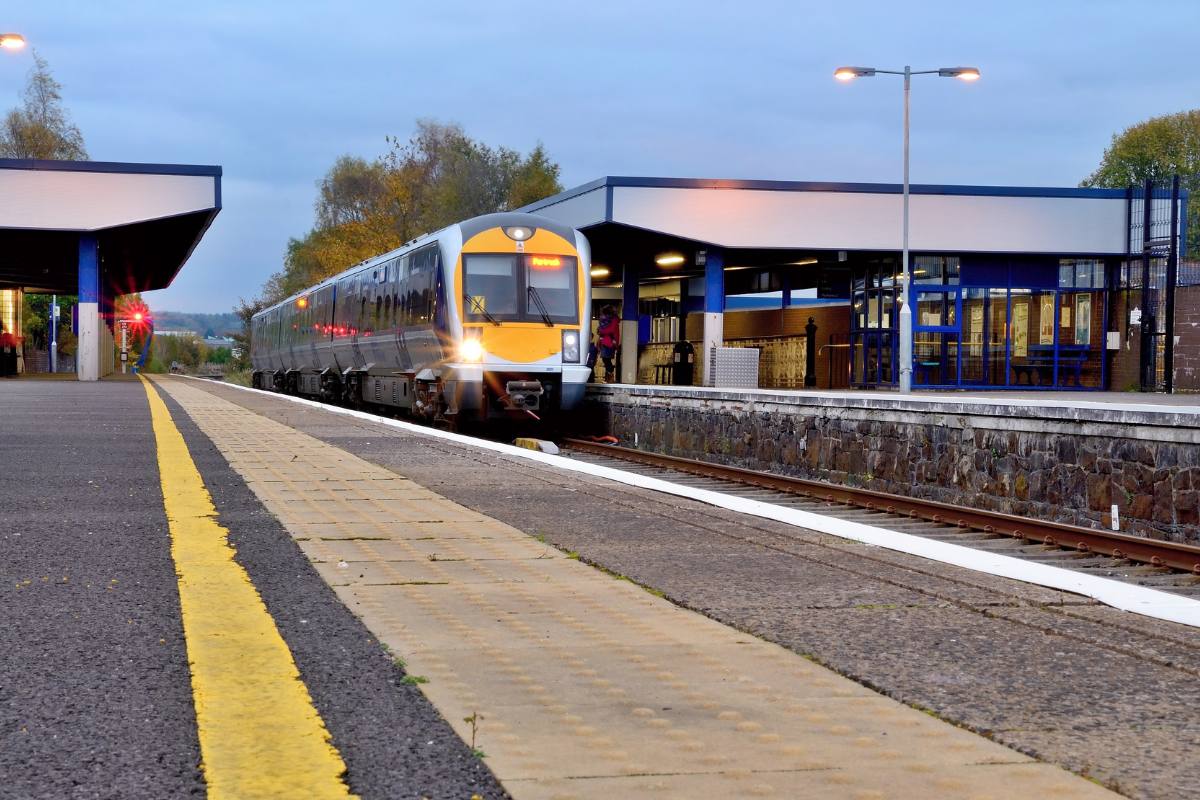
Modern British trains are becoming increasingly passenger-focused, with improved WiFi connectivity, better seating, and enhanced accessibility features. Many operators have invested heavily in fleet renewals, introducing air-conditioned carriages, power outlets at every seat, and improved bike storage facilities.
The integration of mobile technology has transformed ticket purchasing and journey planning. Real-time updates, digital tickets, and seamless connections between different operators make rail travel more user-friendly than ever before.
Sustainable Travel Takes Priority
Environmental concerns are driving much of the innovation in British rail travel. Electric and hybrid trains are replacing older diesel units, significantly reducing the carbon footprint of railway journeys. The shift toward rail travel represents a growing awareness of sustainable tourism, with many travelers choosing trains over flights for both environmental and experiential reasons.
Railway operators are also focusing on local sourcing for onboard catering, supporting regional food producers while reducing transportation emissions. This approach creates authentic dining experiences that reflect the local character of each route.
The Future Arrives Now
British rail travel in 2025 represents the perfect fusion of heritage and innovation. Whether you choose the luxury of the new Britannic Explorer, the efficiency of digitally-enhanced services, or the timeless appeal of scenic routes, the railway offers experiences that simply cannot be replicated by other forms of transport. The golden age of train travel hasn’t just returned – it’s been completely reimagined for the modern era.
Planning a trip to the UK? Read these articles next:
- 10 Things I Wish I Knew Before Moving to London
- The Ultimate Guide to Visiting Thorpe Park in 2025
- Study Abroad Guide: Resources for Students
Enjoyed this article on British rail travel? Pin it!